
Finding the right HPMC for your mortar or paint project can be frustrating. Wrong specifications lead to product failure, wasted materials, and unhappy customers. Your reputation is on the line.
When selecting HPMC1 (Hydroxypropyl Methylcellulose), focus primarily on viscosity and gel temperature. Viscosity determines water retention and application feel, while gel temperature ensures performance in extreme heat. Hydroxypropyl content matters mainly to manufacturers rather than end users.
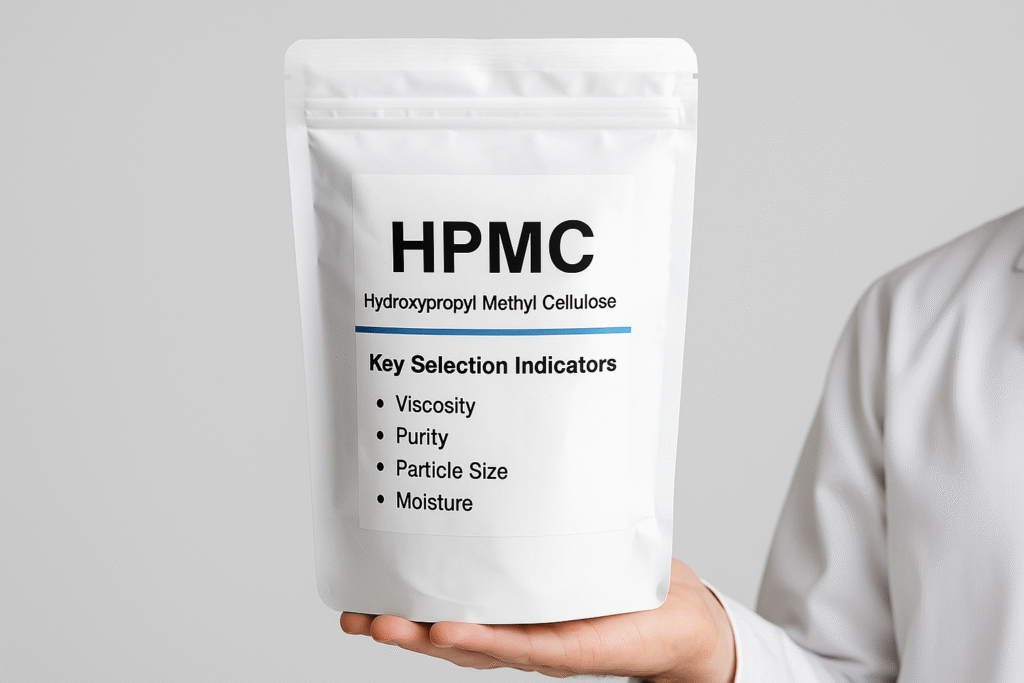
I've spent years supplying HPMC to customers across Saudi Arabia, UAE, and other hot climate regions. Let me share what I've learned about these critical specifications and help you make the right choice for your specific application.
What is the viscosity of HPMC1?
Many mortar manufacturers struggle with inconsistent product performance. Their materials either dry too quickly or slide off walls. This happens when they don't understand HPMC viscosity properly.
HPMC1 viscosity is the measurement of its resistance to flow, typically ranging from 100-200,000 mPa·s. It directly affects water retention, sag resistance, and workability of mortars and paints. Higher viscosity (4000+ mPa·s) provides better water retention but requires more mixing effort.
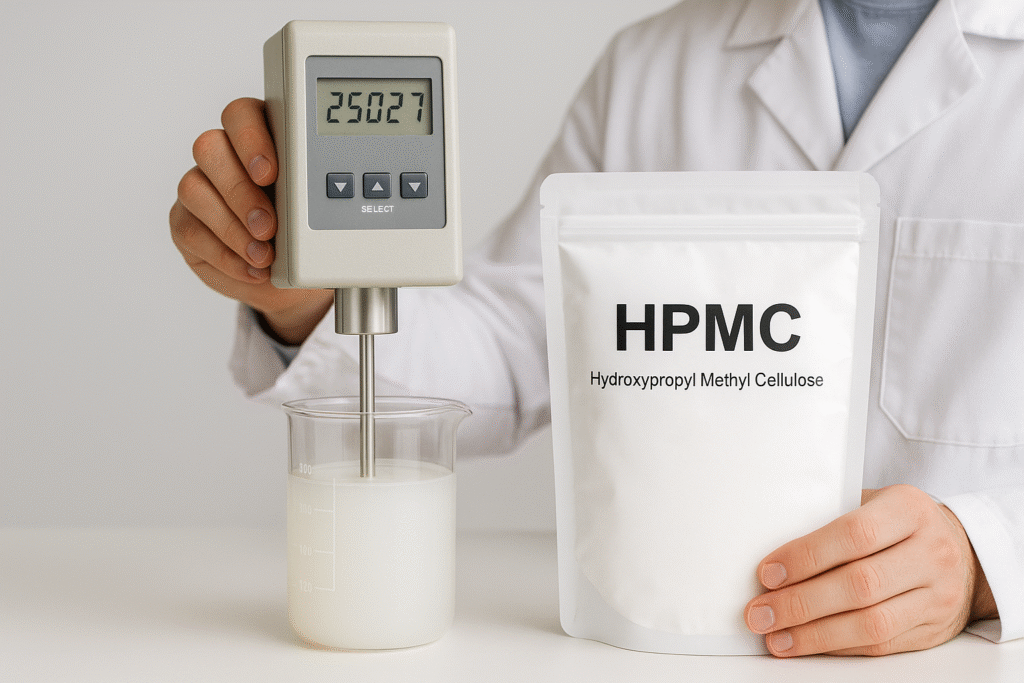
Viscosity functions as the "engine" of HPMC performance in your formulation. I often compare it to the horsepower in a car - it's the most immediately noticeable characteristic when you first handle the material. The viscosity grade directly impacts how your final product will perform during application.
For tile adhesives2, HPMC with 100,000-200,000 mPa·s viscosity provides excellent water retention and prevents premature drying, giving installers longer working time. For paint applications, lower viscosity grades (4,000-15,000 mPa·s) improve flow while maintaining adequate sag resistance.
It's important to understand that viscosity is measured under standardized conditions (typically 2% solution at 20°C). Your actual application conditions will differ, so we always recommend testing samples in your specific formulation. I've seen customers struggle unnecessarily because they chose HPMC1 based solely on technical data sheets without testing in their actual production environment.
Viscosity Selection Guide by Application
| Application | Recommended Viscosity Range | Benefits |
|---|---|---|
| Tile Adhesives | 100,000-200,000 mPa·s | Maximum water retention, extended open time |
| Self-leveling Compounds | 15,000-50,000 mPa·s | Good flow with adequate water retention |
| Renders/Plasters | 40,000-70,000 mPa·s | Balanced workability and sag resistance |
| Interior Paints | 4,000-15,000 mPa·s | Good flow, spatter resistance, medium water retention |
| Exterior Paints | 15,000-30,000 mPa·s | Higher water retention, better weather resistance |
What is the gelation temperature of HPMC1?
Last summer, a customer in Saudi Arabia called me in a panic. Their entire batch of exterior render had suddenly failed during application in 45°C heat. The material lost all water retention properties and became unusable. The culprit? They hadn't considered HPMC gel temperature.
Gelation temperature (thermal gelation) is the point at which HPMC transitions from a soluble state to a gel form when heated, typically occurring between 55-85°C depending on the grade. This property determines HPMC's stability in hot climate applications and prevents premature failure in extreme conditions.
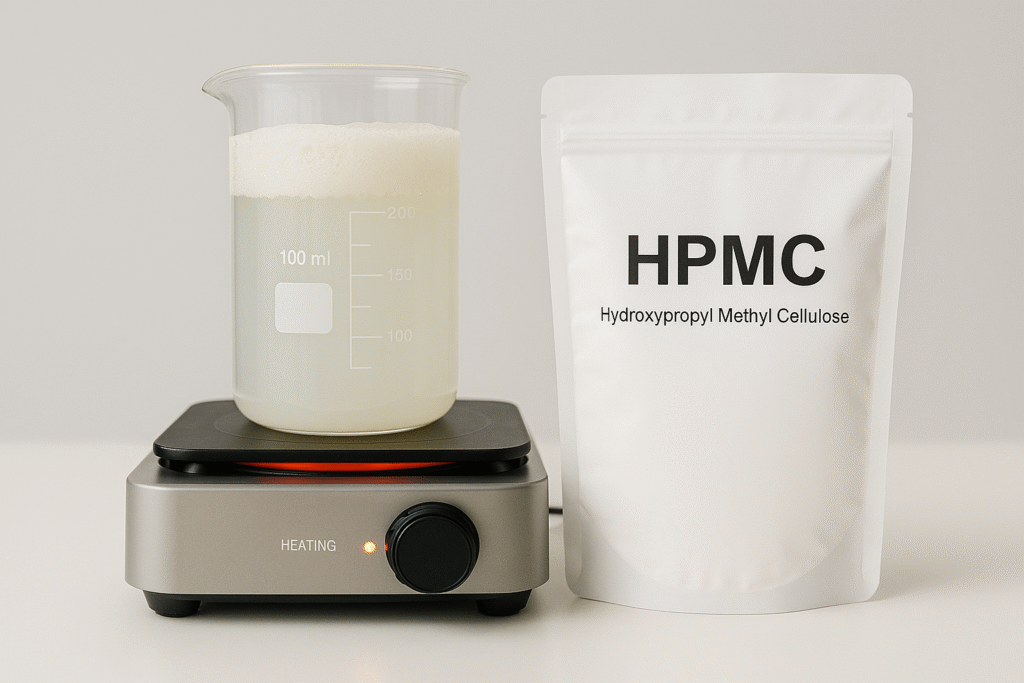
Think of gel temperature as your product's "safety airbag" - you might not notice it regularly, but it becomes crucial in extreme conditions. When ambient temperatures soar or substrate surfaces become extremely hot (which happens frequently in countries like Saudi Arabia, UAE, or Iran), HPMC with low gel temperature will suddenly become ineffective.
The gelation temperature is primarily determined by the molecular structure of HPMC, particularly the distribution and proportion of methoxyl and hydroxypropyl groups. HPMC grades with higher hydroxypropyl content generally exhibit higher gelation temperatures, making them more suitable for hot-climate applications.
For projects in regions where temperatures frequently exceed 40°C, I always recommend HPMC grades with gelation temperatures of at least 70-85°C. This provides a safety margin that ensures your product will continue performing even when applied to sun-baked surfaces.
I've worked with numerous clients in the Middle East to develop special hot-climate formulations. We typically conduct thermal stability tests that simulate worst-case application scenarios before finalizing product recommendations. This approach has helped prevent costly product failures and reputation damage.
Gelation Temperature Requirements by Region
| Climate Zone | Typical Summer Temperatures | Recommended HPMC Gel Temperature |
|---|---|---|
| Tropical/Desert | 40-50°C | 75-85°C |
| Mediterranean | 30-40°C | 65-75°C |
| Temperate | 20-30°C | 55-65°C |
| Cold/Northern | Below 20°C | 50-60°C |
What is the high temperature for HPMC1?
When I visited a client's factory in Dubai, they were struggling with product consistency. Their renders would perform perfectly for months, then suddenly fail during the peak summer season. Their quality control team was overlooking a critical factor: HPMC's high-temperature performance.
The high temperature limit for HPMC typically ranges from 55-85°C, depending on its hydroxypropyl substitution level. Beyond this temperature, HPMC undergoes thermal gelation, losing water solubility and effectiveness. For hot climates, HPMC with higher thermal stability (75°C+) prevents application failures.
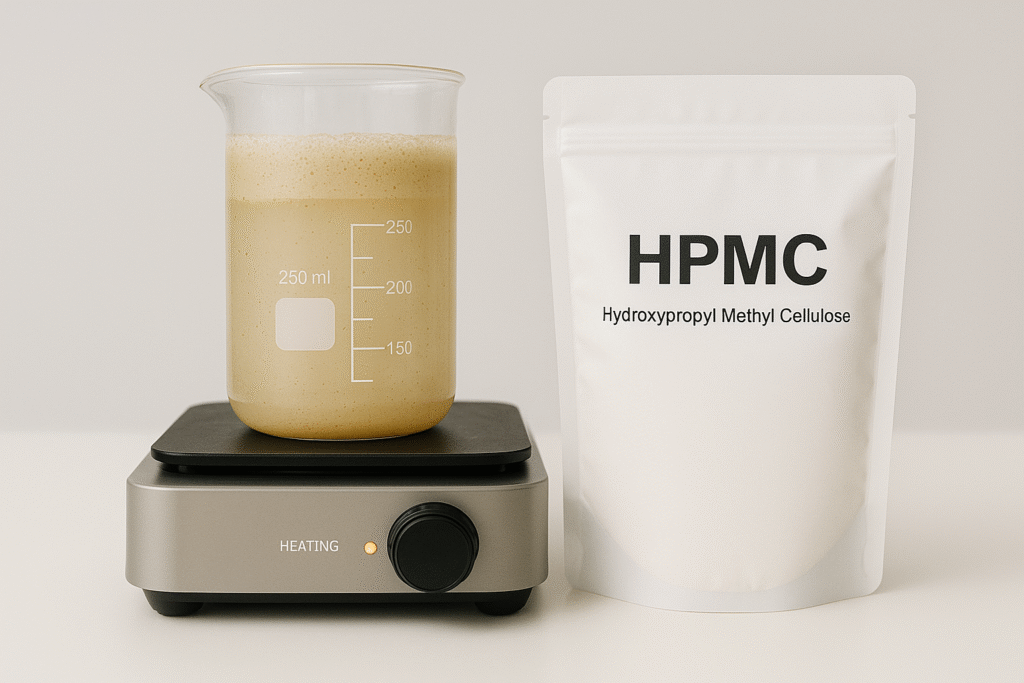
High-temperature performance isn't just about the ambient air temperature - it's about the entire application environment. Surface temperatures of dark-colored substrates in direct sunlight can exceed air temperatures by 20-30°C. This means that even if the air temperature is a manageable 35°C, your HPMC might be subjected to effective temperatures of 55-65°C where it contacts the substrate.
For customers operating in extreme environments, we typically recommend specialized HPMC grades with modified chemical structures that provide enhanced thermal stability. These grades maintain their water retention and workability properties even when subjected to elevated temperatures.
It's also worth noting that high-temperature performance relates directly to application challenges rather than the finished product's durability. Once the mortar or paint has cured, the HPMC's thermal properties become less relevant. The critical period is during application and the initial setting phase when proper water retention is essential.
I've helped several customers in the Gulf region reformulate their products specifically for summer application conditions. By selecting HPMC with appropriate high-temperature stability and adjusting other components in the formulation, we've been able to create products that perform consistently year-round, regardless of seasonal temperature variations.
High-Temperature Stability Factors
| Factor | Impact on Thermal Stability | Consideration |
|---|---|---|
| Hydroxypropyl Content | Higher content increases thermal stability | May affect other properties |
| Molecular Weight | Higher MW slightly improves stability | Increases viscosity |
| Methoxyl Content | Lower content can improve thermal stability | Affects water retention |
| Particle Size | Finer particles dissolve faster but may gel quicker | Important for mixing efficiency |
| Additives | Some additives can improve thermal resistance | May require formulation adjustments |
What is the viscosity of HPMC 4000?
A new customer recently asked me for "HPMC 4000" without further specification. After some discussion, I realized he didn't understand that "4000" indicates the viscosity grade - not a specific product type. This common confusion leads to mismatched expectations.
HPMC 4000 has a viscosity of approximately 4,000 mPa·s when measured as a 2% solution at 20°C. This medium-low viscosity grade provides moderate water retention and is commonly used in interior paints, sprayable renders, and self-leveling compounds3 where good flowability is required.
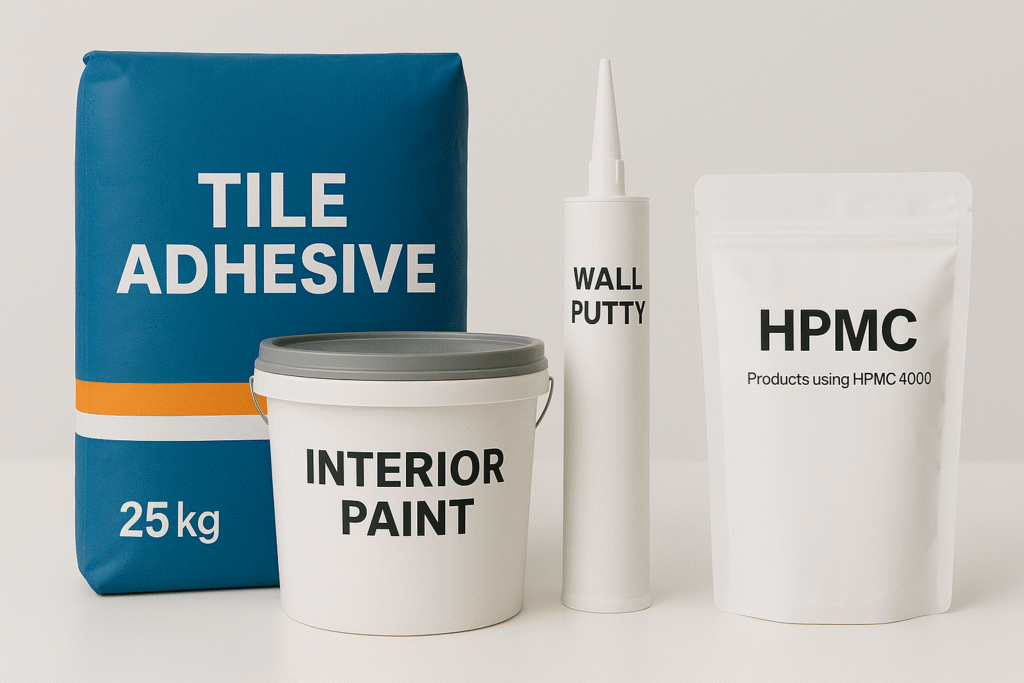
HPMC 4000 represents a specific point in the viscosity spectrum of available HPMC grades. The "4000" directly corresponds to the measured viscosity in millipascal-seconds (mPa·s) under standardized testing conditions. This medium-low viscosity grade strikes a balance between performance benefits and ease of incorporation.
In practical applications, HPMC1 4000 provides enough thickening power to prevent sagging in vertical applications while maintaining good flow characteristics. This makes it particularly suitable for spray-applied materials where pump-ability is important, as well as for self-leveling compounds where material flow is essential for proper installation.
When working with HPMC 4000, it's important to recognize that viscosity is just one specification. Two different HPMC products could both be labeled "4000" but have different methoxyl content, hydroxypropyl content, and particle sizes - leading to differences in dissolution speed, gel temperature, and other performance characteristics4.
For customers using HPMC 4000 in hot climate applications, I typically recommend checking the gel temperature as well. Standard HPMC 4000 might have insufficient thermal stability for extremely hot conditions, so a modified grade with similar viscosity but higher gel temperature might be more appropriate.
HPMC 4000 Performance Characteristics
| Property | Typical Value | Application Benefit |
|---|---|---|
| Viscosity (2% solution) | 4,000 mPa·s | Moderate thickening, good workability |
| Water Retention | Medium | Adequate open time for standard applications |
| Sag Resistance | Medium-Low | Good for self-leveling or spray applications |
| Mixing Ease | Very Good | Dissolves readily with moderate agitation |
| Cost-Effectiveness | High | Good balance of performance vs. cost |
| Compatibility | Excellent | Works well with most cement/paint systems |
Conclusion
When selecting HPMC1, prioritize viscosity for day-to-day performance and gel temperature for reliability in extreme conditions. Hydroxypropyl content matters mainly to manufacturers. Testing samples in your actual formulation is always the wisest approach.
-
Explore this resource to understand HPMC's role in construction and its various applications. ↩ ↩ ↩ ↩ ↩ ↩ ↩ ↩
-
Learn best practices for incorporating HPMC into tile adhesive formulations. ↩
-
Learn about self-leveling compounds and how HPMC enhances their performance. ↩
-
Discover the specific performance characteristics of HPMC 4000 for various applications. ↩