Hair feeling dry, brittle, or just not right? Many commercial shampoos contain harsh chemicals that strip natural oils. Understanding what's in your shampoo is the first step to healthier hair.
Common shampoo ingredients typically include cleansing agents (surfactants) like sodium lauryl sulfate1, conditioning agents like dimethicone, preservatives like parabens, and fragrances. These ingredients work together to clean hair while providing additional benefits like moisturizing or volumizing.
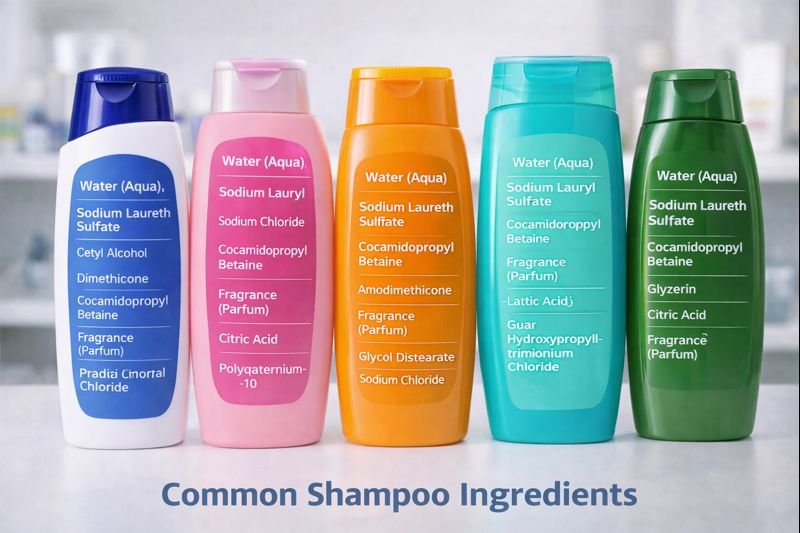
When I started researching shampoo ingredients, I was shocked by how many chemicals were in my daily hair care products. Let's look at what's actually in your shampoo bottle and how these ingredients affect your hair health.
What Are The Most Common Ingredients Found In Commercial Shampoos?
My clients often complain about hair problems without realizing the cause might be in their shampoo. Harsh detergents and synthetic chemicals can damage hair over time, leading to dryness and breakage.
Common shampoo ingredients include surfactants2 (sodium lauryl sulfate, sodium laureth sulfate), conditioning agents (silicones, quaternary ammonium compounds), preservatives (parabens, benzyl alcohol), fragrances, colorants, pH adjusters, and specialty additives targeting specific hair concerns.

Surfactants are the workhorses of any shampoo. These cleansing agents remove dirt, oil, and product buildup from your hair. However, not all surfactants are created equal. Primary surfactants like Sodium Lauryl Sulfate (SLS) and Sodium Laureth Sulfate (SLES) create rich lather but can be harsh. Secondary surfactants like Cocamidopropyl Betaine are milder and often added to reduce irritation.
Conditioning agents counteract the drying effects of surfactants. Silicones like Dimethicone create a protective coating that makes hair feel smooth but can build up over time. Quaternary ammonium compounds ("quats") like Behentrimonium Chloride provide deeper conditioning benefits.
Preservatives prevent microbial growth and extend shelf life. While necessary for product safety, some preservatives like parabens have raised health concerns. Alternative preservatives include Phenoxyethanol and various organic acids.
Common Surfactants in Shampoos
| Surfactant Type | Examples | Properties |
|---|---|---|
| Anionic | Sodium Lauryl Sulfate, Sodium Laureth Sulfate | Strong cleansing, high foam |
| Amphoteric | Cocamidopropyl Betaine, Sodium Cocoamphoacetate | Milder, reduces irritation |
| Non-ionic | Decyl Glucoside, Coco Glucoside | Very gentle, low foam |
| Cationic | Cetrimonium Chloride | Poor cleansing, conditioning properties |
Which Thickeners Are Commonly Used In Shampoo Formulations?
I've noticed many customers are drawn to thick, luxurious shampoos. They equate thickness with quality, but many don't know what creates that rich texture or how these ingredients might affect their hair.
Common shampoo thickeners include salt (sodium chloride), cellulose derivatives like hydroxypropyl methylcellulose3 (HPMC), guar gum derivatives, PEG compounds, and synthetic polymers. These ingredients modify viscosity and improve the user experience by creating a more substantial product feel.
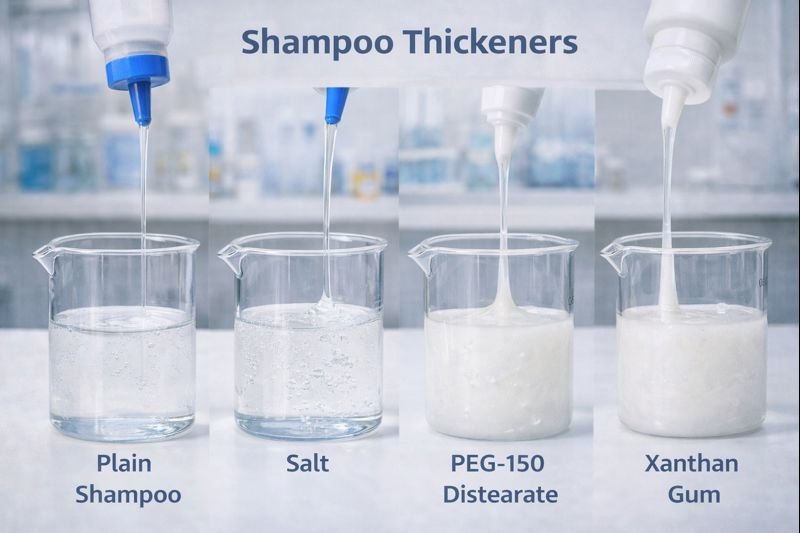
Thickeners serve both aesthetic and functional purposes in shampoo formulations. Beyond making the product feel more substantial in the hand, they help suspend other ingredients and control how the product spreads during application.
Sodium chloride (salt) is the most cost-effective thickener used with anionic surfactants like SLS. However, it can be drying for some hair types and doesn't work with all surfactant systems. For sensitive scalps or color-treated hair, salt-thickened shampoos may not be ideal.
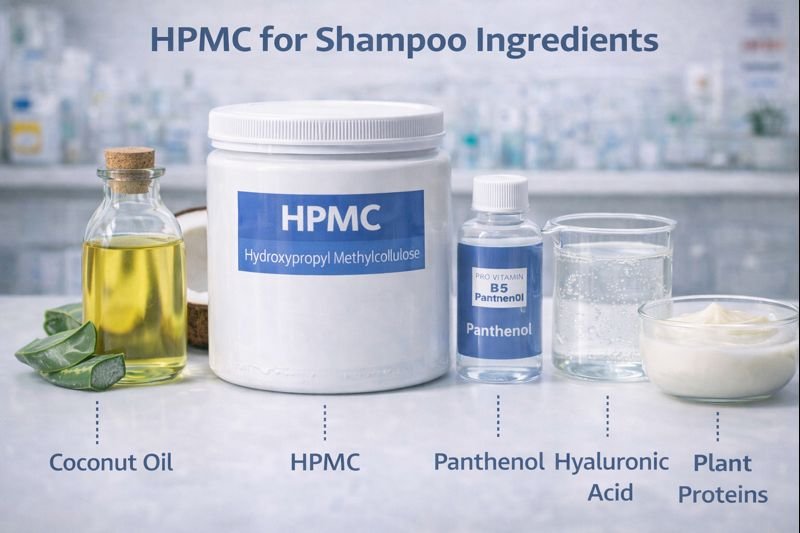
Cellulose derivatives like hydroxypropyl methylcellulose3 (HPMC) from our factory offer superior thickening with added benefits. HPMC creates a smooth flow, improves product stability, and doesn't strip color or irritate the scalp. It works across a wide pH range and with various surfactant systems.
Natural gums like xanthan gum and guar hydroxypropyltrimonium chloride provide thickening while adding conditioning benefits. These plant-derived thickeners are increasingly popular in natural formulations.
Synthetic polymers like polyquaternium compounds and carbomers offer precise viscosity control and can be formulated to provide additional benefits like conditioning or volumizing effects.
Common Thickener Performance Comparison
| Thickener | Effectiveness | Compatibility | Cost | Additional Benefits |
|---|---|---|---|---|
| Salt (NaCl) | Moderate | Limited | Very Low | None |
| HPMC | High | Excellent | Moderate | Stabilizing, smooth flow |
| Xanthan Gum | Good | Good | Moderate | Natural, conditioning |
| Carbomers | Very High | Excellent | High | Clear formulations |
| PEG compounds | Moderate | Good | Moderate | Solubilizing properties |
What Natural Ingredients Are Becoming Popular In Modern Shampoos?
When I started developing natural shampoo formulations, I faced many challenges. Traditional formulas rely heavily on synthetic ingredients. Finding effective natural alternatives that provide the same performance wasn't easy.
Popular natural shampoo ingredients include plant-derived surfactants (coco glucoside, decyl glucoside), botanical extracts (aloe vera, chamomile, rosemary), natural oils (argan, coconut, jojoba), protein derivatives (hydrolyzed wheat protein), and natural preservatives like rosemary extract and vitamin E.
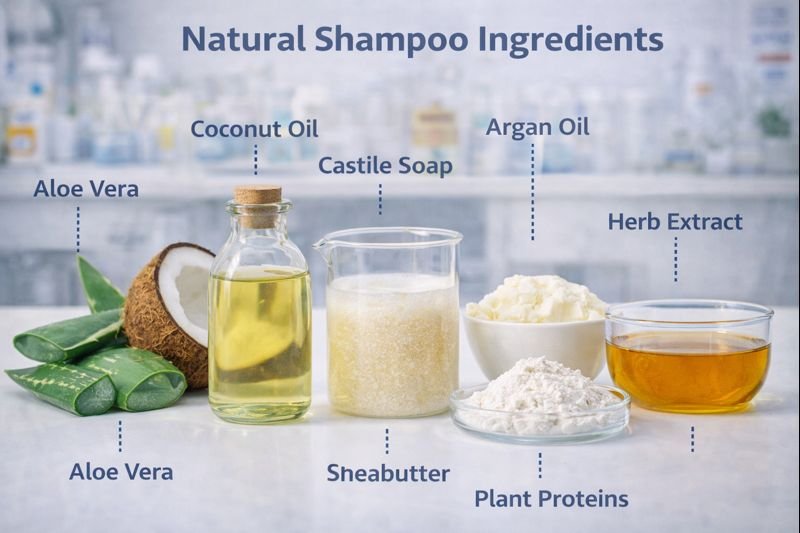
The shift toward natural ingredients reflects growing consumer awareness about potential health and environmental impacts of synthetic chemicals. Natural ingredients often provide multiple benefits beyond their primary function.
Plant-derived surfactants like coco glucoside and sodium coco-sulfate offer effective cleansing without the harshness of traditional surfactants. Made from coconut and other plant sources, these gentle cleansers maintain the scalp's natural balance while still providing satisfactory foam and cleansing.
Botanical extracts deliver specialized benefits: aloe vera soothes the scalp, rosemary stimulates hair growth, and chamomile brightens blonde hair. These extracts contain complex compounds that can address multiple hair concerns simultaneously.
Natural oils have transformed modern shampoo formulations. Coconut oil penetrates the hair shaft to strengthen from within, argan oil provides intense moisture and shine, while jojoba oil closely mimics our scalp's natural sebum, helping to regulate oil production.
Natural hydrolyzed proteins like wheat, silk, and quinoa proteins repair damaged hair by temporarily binding to the hair shaft, filling in gaps in the cuticle. This results in stronger, smoother hair without silicones.
The challenge with natural formulations remains preservation. Natural preservatives like rosemary extract, vitamin E, and various organic acids can be effective but often require careful formulation and may offer shorter shelf life than synthetic alternatives.
Popular Natural Ingredients by Function
| Function | Natural Ingredients | Benefits |
|---|---|---|
| Cleansing | Coco Glucoside, Sodium Coco-Sulfate | Gentle cleansing, biodegradable |
| Conditioning | Shea Butter, Argan Oil, BTMS (plant-derived) | Moisturizing, detangling |
| Preserving | Rosemary Extract, Grapefruit Seed Extract | Antimicrobial, antioxidant |
| Thickening | Xanthan Gum, HPMC (plant-derived) | Stable viscosity, natural source |
| Hair Treatment | Hydrolyzed Proteins, Essential Oils | Strengthening, scalp health |
Which Ingredients Should You Look For In Quality Shampoos?
After analyzing hundreds of shampoo formulations, I've found that quality isn't always related to price. Some affordable shampoos contain excellent ingredients, while some premium brands rely on marketing rather than superior formulations.
Look for shampoos with mild surfactants like cocamidopropyl betaine or coco glucoside, natural moisturizers such as glycerin or aloe vera, and beneficial additives like panthenol or plant extracts. Avoid harsh sulfates, silicones, synthetic fragrances, and parabens if you have sensitive skin or want truly natural products.

The right shampoo ingredients depend largely on your hair type and concerns. However, certain ingredients signal quality regardless of hair type. Mild surfactant systems that clean effectively without stripping natural oils are the foundation of any good shampoo.
Hydrating agents like glycerin, panthenol (pro-vitamin B5), and natural humectants attract and retain moisture in the hair shaft. These ingredients prevent the dryness that often follows shampooing and are particularly important for dry or damaged hair.
Plant-based oils and butters provide deeper conditioning benefits. Look for ingredients like shea butter, coconut oil, or argan oil in small amounts even in regular shampoos. These natural emollients help seal in moisture and protect the hair.
Specialty ingredients targeting specific concerns signal thoughtful formulation. Ingredients like keratin peptides for strengthening, tea tree oil for scalp health, or UV filters for color protection show the product is designed with specific benefits in mind.
Proper preservation systems are essential but can be achieved without controversial ingredients. Look for formulations using phenoxyethanol, sodium benzoate, or potassium sorbate as alternatives to parabens.
The absence of certain ingredients can be just as important as what's included. Quality formulations increasingly avoid sulfates, silicones, synthetic dyes, and artificial fragrances that may cause irritation or buildup over time.
Quality Indicators in Shampoo Formulations
| Category | Preferred Ingredients | Ingredients to Avoid |
|---|---|---|
| Cleansers | Coco Glucoside, Sodium Cocoyl Isethionate | Sodium Lauryl Sulfate, Ammonium Lauryl Sulfate |
| Conditioners | Plant Oils, Panthenol, Hydrolyzed Proteins | Heavy Silicones, Mineral Oil |
| Preservatives | Sodium Benzoate, Potassium Sorbate | Formaldehyde-releasers, Multiple Parabens |
| Fragrances | Essential Oils, "Fragrance-free" | "Parfum/Fragrance" (undisclosed chemicals) |
| pH Adjusters | Citric Acid, Lactic Acid | Excessive TEA or Sodium Hydroxide |
How Can You Find A Reliable Shampoo Factory Near You?
In my search for manufacturing partners, I discovered that finding a reliable shampoo factory involves more than just location. Many businesses make this mistake and end up with inconsistent products or regulatory problems.
To find a reliable shampoo factory near you, research manufacturers with proper certifications (ISO, GMP), evaluate their technical capabilities and minimum order quantities, request samples to assess quality, check references from current clients, and consider their location for logistics. Online directories, trade shows, and industry associations are good starting points.
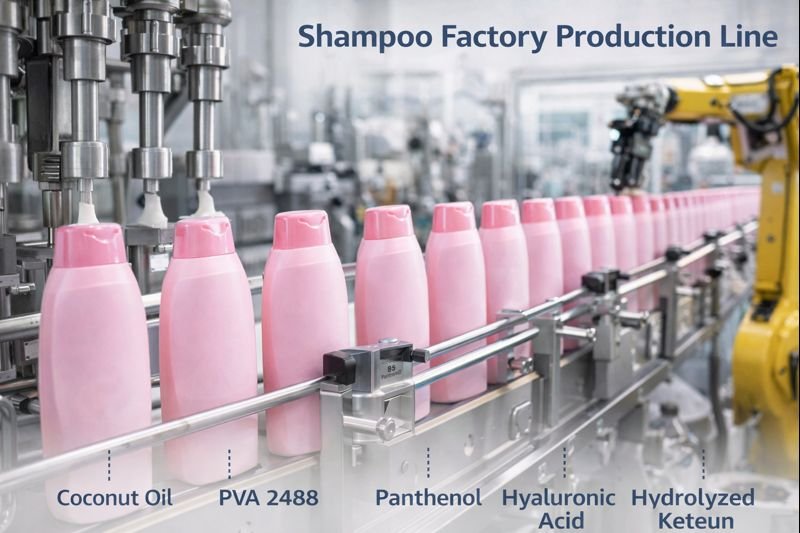
Finding the right manufacturing partner is critical for product success. A reliable shampoo factory should have both technical expertise and quality management systems in place. Begin your search by identifying manufacturers with relevant industry certifications such as ISO 9001, GMP (Good Manufacturing Practice), or organic certifications if applicable.
Production capabilities matter significantly. Assess whether the factory can handle your desired formulation type, packaging requirements, and volume needs. Some factories specialize in natural formulations, while others excel at conventional products or specific packaging types. Most manufacturers have minimum order quantities (MOQs) that might range from 500 to 10,000 units, so match these requirements with your business scale.
Sample evaluation is perhaps the most important step. Request samples of products similar to your desired formulation to assess consistency, stability, fragrance quality, and performance. A good manufacturer should provide comprehensive technical data and stability testing information.
References and reputation provide invaluable insights. Ask for client references and research the factory's reputation in the industry. Reliable manufacturers will have long-term relationships with reputable brands and positive industry standing.
Location considerations extend beyond simple proximity. While having a factory nearby can facilitate communication and reduce shipping costs, international manufacturers often offer competitive advantages in pricing or specialized expertise. Consider the total value proposition rather than just location.
Regulatory compliance is non-negotiable. Ensure the factory follows Good Manufacturing Practices and can produce documentation required for your target markets, including safety assessments, ingredient traceability, and product testing reports.
Factory Evaluation Checklist
| Evaluation Factor | What to Look For | Red Flags |
|---|---|---|
| Certifications | ISO 9001, GMP, Organic certifications | Inability to produce valid certificates |
| Technical Capabilities | Experience with similar formulations | Limited formula types, outdated equipment |
| Quality Control | Documented QC procedures, lab facilities | No testing protocols, high rejection rates |
| Minimum Orders | MOQs aligned with your needs | Inflexible minimums, excessive requirements |
| References | Positive feedback from existing clients | No references, poor industry reputation |
| Regulatory Compliance | Documentation systems, ingredient traceability | Regulatory violations, inadequate record-keeping |
Conclusion
Understanding shampoo ingredients helps you make informed choices for healthier hair. Whether choosing commercial products or working with manufacturers, knowledge of these key components ensures the best results for your specific hair needs.