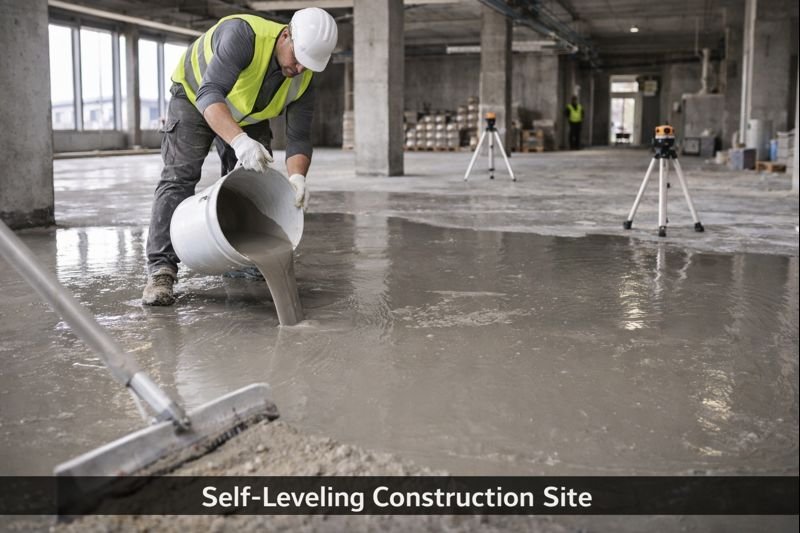
The wrong HPMC in your self-leveling mortar can lead to disastrous job site failures. Many contractors assume universal compatibility, only to face costly rework when their mixtures separate or fail to flow properly.
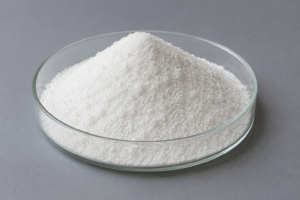
HPMC (Hydroxypropyl methylcellulose)1 works well with most common self-leveling mortar additives2 but isn't universally compatible. Specific interactions with superplasticizers, defoamers, and redispersible polymer powders3 require careful formulation to avoid performance issues that can compromise flow properties and stability.
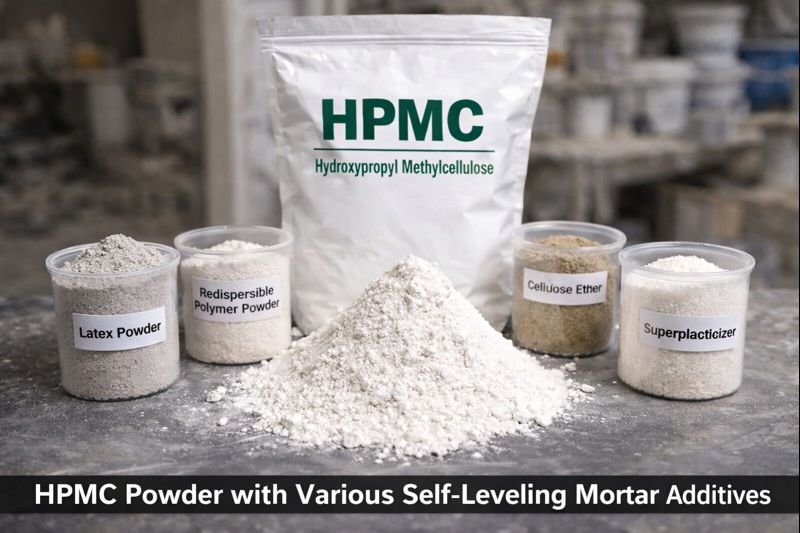
Don't be fooled by simplistic compatibility claims from suppliers. The reality of HPMC in self-leveling applications is much more complex, involving precise balance between seemingly opposing forces. Let me share what 15+ years in the industry has taught me about these critical interactions.
What General Compatibility Can You Expect With HPMC in Self-Leveling Mortars?
Many formulators struggle with unpredictable reactions when combining HPMC with other additives. This often leads to wasted material, inconsistent performance, and frustrated customers demanding answers.
HPMC typically works well with redispersible polymer powders3 (RDPs), retarders, and most fillers used in self-leveling formulations. These combinations enhance water retention, improve adhesion, and help maintain consistent flow characteristics when properly balanced.
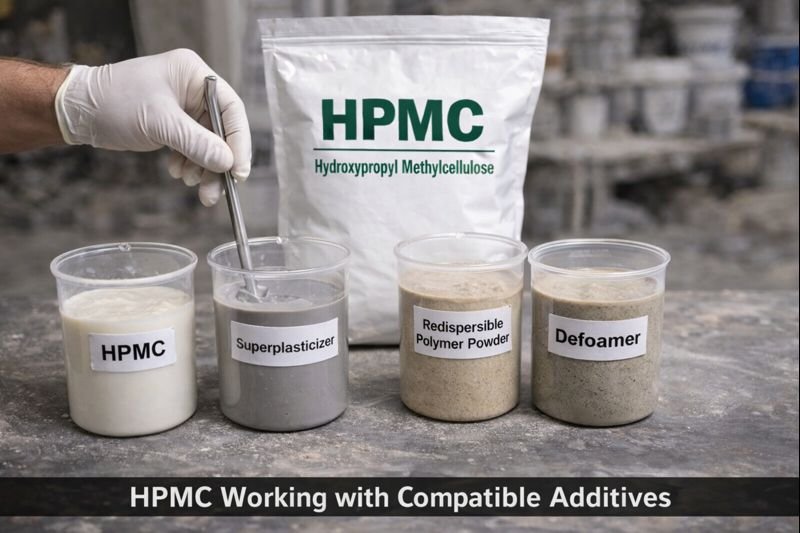
The compatibility of HPMC isn't a simple yes-or-no property - it's about systematic formulation. In my experience, HPMC serves as a critical stabilizing component in self-leveling mortars, providing essential water retention and helping maintain particle suspension throughout the mixture. This prevents segregation and bleeding, which are common failure modes.
When properly selected, HPMC works harmoniously with redispersible polymer powders3 (VAE/EVA types), creating a synergistic effect that improves both workability and final performance properties. The cellulose forms a protective colloid network that supports the polymer particles, enhancing their distribution and effectiveness.
However, compatibility isn't just about chemical interactions - it's also about physical competition. Different HPMC grades have varying dissolution rates, viscosity development profiles, and thermal gelation points. These properties must be matched to your specific cement type, aggregate gradation, and regional application conditions.
Viscosity Selection Table for Self-Leveling Applications
| HPMC Viscosity Range | Recommended For | Not Suitable For |
|---|---|---|
| Low (5,000-15,000 mPa·s) | Fast-flowing thin layers | Sloped surfaces, high sand content |
| Medium (15,000-30,000 mPa·s) | Standard formulations, balanced flow | Extremely high flow requirements |
| High (30,000-75,000 mPa·s) | High sand content, prevents segregation | Rapid-setting systems requiring fast flow |
What Potential Incompatibilities and Considerations Should You Be Aware Of?
I've seen countless self-leveling installations fail because formulators ignored the critical interactions between HPMC and superplasticizers. These failures often appear only after application, creating expensive remediation projects.
HPMC can directly conflict with polycarboxylate superplasticizers (PCE)4ps://en.wikipedia.org/wiki/Superplasticizer)5 (PCE) when improperly matched. Their opposing mechanisms—HPMC thickening while PCE reduces viscosity—can cause unstable mixtures, segregation, and surface defects. Additionally, some defoamers can counteract HPMC's stabilizing effects on entrained air.
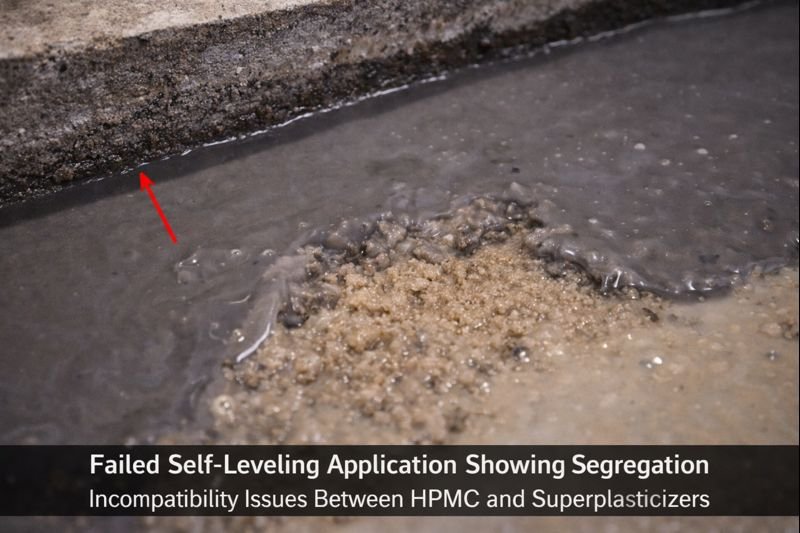
The relationship between HPMC and high-efficiency superplasticizers, especially polycarboxylate ethers (PCE), is particularly complex. Think of these ingredients as opponents in a tug-of-war - HPMC works to thicken and stabilize the mixture while PCE superplasticizers aim to reduce viscosity and enhance flow. Without careful selection and dosage optimization, this conflict can result in either excessive stiffness or material separation.
In my laboratory testing, I've observed that certain HPMC grades with high methoxyl content show greater sensitivity to PCE interactions than those with higher hydroxypropyl substitution. This molecular-level compatibility must be considered in your formulation development.
Another critical consideration is the interaction with defoamers. HPMC naturally stabilizes air bubbles in the mixture, which can create surface imperfections resembling a lunar landscape in the finished floor. Not all defoamers work effectively with all HPMC grades - the chemistry must be complementary to achieve proper air release without compromising other performance properties.
Troubleshooting HPMC Compatibility Issues
| Problem Observed | Likely Cause | Potential Solution |
|---|---|---|
| Mixture segregation | Incompatible PCE superplasticizer | Switch to compatible PCE or adjust HPMC grade |
| Excessive air bubbles | Ineffective defoamer interaction | Select defoamer designed for cellulosic systems |
| Delayed setting time | Over-retardation effect | Lower HPMC dosage or select faster-dissolving grade |
| Poor surface finish | Improper HPMC/RDP balance | Adjust ratio between cellulose and polymer components |
When evaluating HPMC for self-leveling applications, remember that viscosity alone is insufficient guidance. The thermal gelation temperature, particle size distribution, and substitution pattern all influence compatibility. Always request specific recommendations for your cement type and additive system rather than viewing HPMC as a universal ingredient.
Conclusion
HPMC compatibility in self-leveling mortars isn't about the individual ingredient but the entire formulation system. Success requires matching your HPMC grade with your specific cement, superplasticizers, and other additives to create a balanced, high-performing solution.
-
Explore this resource to understand the properties and applications of HPMC in construction materials. ↩
-
Learn about various additives that enhance self-leveling mortars and their specific roles in formulations. ↩
-
Understand the advantages of using redispersible polymer powders in construction applications. ↩ ↩ ↩
-
Discover the role of PCE in enhancing the flow and workability of concrete. ↩
-
Discover how superplasticizers improve concrete performance and their compatibility with other materials. ↩