Frustrated with shampoo that barely bubbles? Poor lathering ruins your hair washing experience, leaving you wondering if your hair is truly clean. There's a solution hiding in plain sight: Hydroxyethyl cellulose.
Hydroxyethyl cellulose1 (HEC) improves shampoo lather by acting as a foam stabilizer and texture enhancer. It doesn't create foam itself but thickens the liquid and strengthens foam walls, resulting in richer, longer-lasting lather that distributes cleansing agents more effectively throughout your hair.
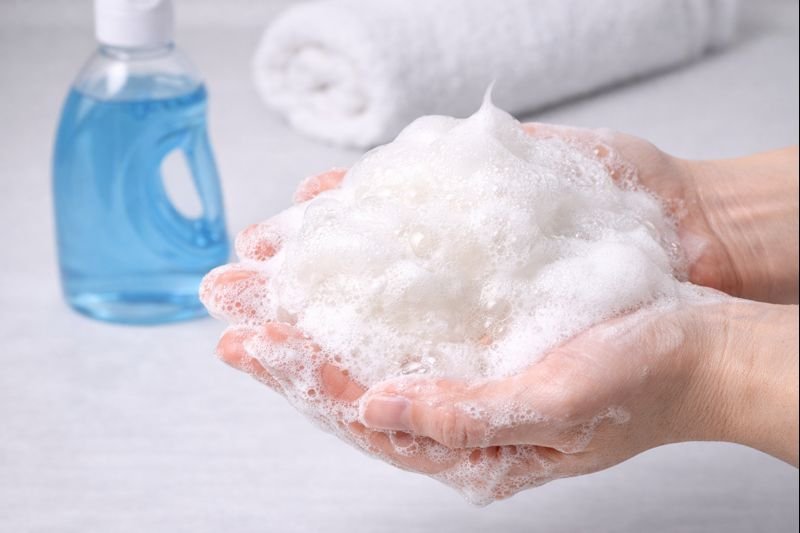
When I first learned about HEC's role in shampoo formulations, I was amazed at how this single ingredient can transform the entire washing experience. Let me break down exactly how it works and why it matters for your daily hair care routine.
How Does HEC Help with Lathering?
Do you keep squeezing more shampoo hoping for better foam? Before dumping half the bottle into your palm, understand how ingredients like HEC can solve this problem.
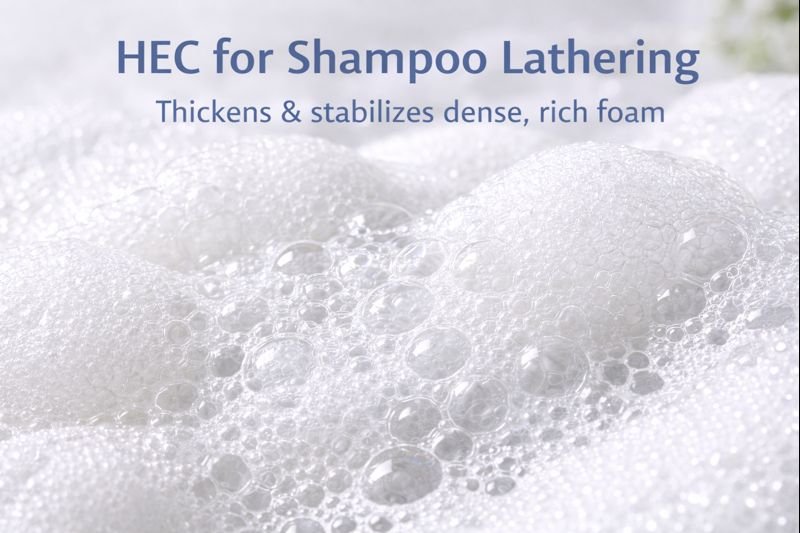
HEC works as a foam stabilizer by increasing liquid viscosity and creating thicker, more resilient foam walls. It doesn't produce bubbles itself—that's the surfactant's job. Instead, HEC strengthens the water film surrounding air bubbles, preventing them from bursting quickly and extending foam life substantially.
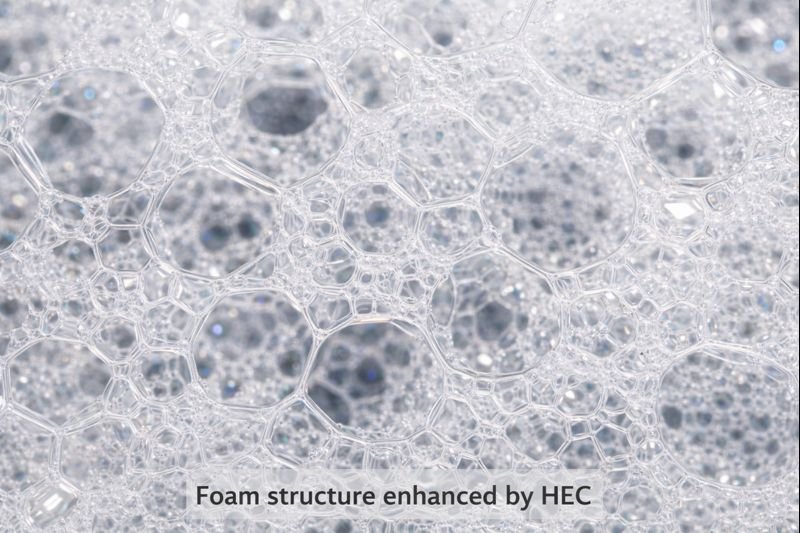
I remember working with a client who was struggling with their shampoo formulation. Their product had adequate surfactants but lacked that luxurious, long-lasting foam consumers expect. When we incorporated the right amount of HEC, the transformation was remarkable.
How HEC Transforms Your Shampoo Experience
HEC contributes to foam quality in several critical ways:
- Texture Enhancement: HEC creates a silkier, more substantial foam texture that feels premium against the scalp.
- Stability Boost: By strengthening bubble walls, HEC prevents the quick collapse of foam, giving you those satisfying suds throughout your wash.
- Distribution Efficiency: Better foam means cleansing agents spread more evenly across all hair strands.
- Perception Value: Consumers equate rich, stable lather with cleaning effectiveness and quality.
The concentration matters too. At our factory, we've found that different grades of HEC can be tailored to achieve specific viscosity profiles, making it perfect for everything from budget-friendly shampoos to premium salon products.
| HEC Concentration | Foam Stability | User Experience | Best For |
|---|---|---|---|
| Low (0.1-0.3%) | Moderate | Light, quick foam | Everyday shampoos |
| Medium (0.3-0.7%) | Good | Balanced, satisfying lather | Mid-range products |
| High (0.7-1.2%) | Excellent | Rich, premium foam feel | Luxury hair care |
Common Reasons for Poor Lathering
Have you noticed your shampoo performing differently sometimes? Various factors might be sabotaging your lathering experience.
Poor lathering typically stems from hard water minerals binding with surfactants, incompatible product ingredients, expired formulations, or insufficient surfactant concentration. Environmental factors like water temperature and hair oil buildup can also significantly reduce a shampoo's ability to create stable foam.
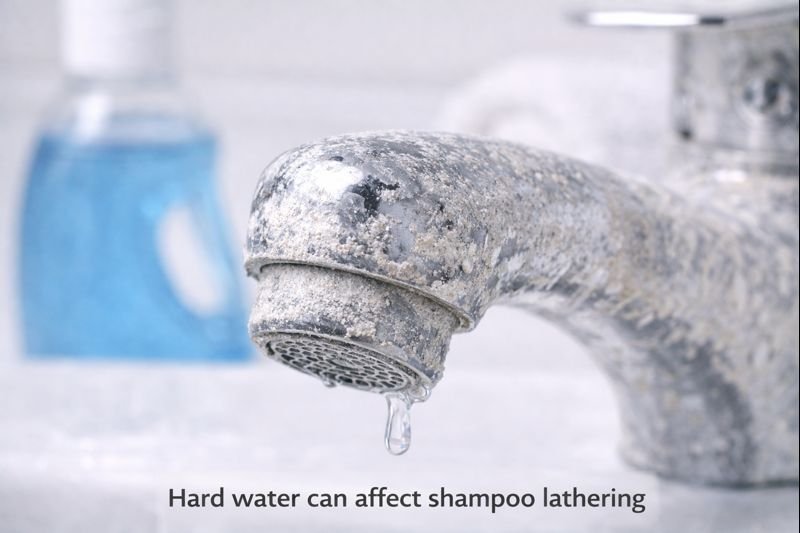
Hard water has been my personal nemesis when testing shampoo formulations across different markets. In regions with high mineral content in water, even excellent formulations can struggle to perform as intended. This is where the stabilizing properties of HEC become even more valuable.
The Science Behind Lathering Challenges
Understanding why shampoos sometimes fail to lather properly requires looking at multiple factors:
-
Water Quality Impact: Hard water contains calcium and magnesium ions that bond with surfactants, forming insoluble compounds that can't create foam. This reaction effectively "uses up" a portion of your shampoo before it can even start cleaning.
-
Oil and Product Buildup: Excess sebum or styling products create a barrier that must be overcome before lathering begins. Each layer of oil neutralizes some of the surfactant molecules, requiring more product to achieve the same cleaning effect.
-
Temperature Factors: Cold water reduces surfactant mobility and efficiency, making it harder to generate foam. This is why salon washes with warm water seem to lather so much better than hurried morning showers.
-
Formulation Breakdown: Over time, especially when exposed to heat or sunlight, surfactants can degrade, reducing their foam-generating capacity. This is why that old shampoo bottle in your guest bathroom might not perform as well as when you first bought it.
In our laboratory tests, we've found that adding HEC to formulations particularly helps overcome the hard water challenge by creating a protective barrier around surfactant molecules, allowing them to function more effectively even in challenging water conditions.
How to Fix Poor Lathering Problems
Is your favorite shampoo suddenly underperforming? Before switching brands, try these troubleshooting approaches.
To improve shampoo lathering, install a water softener for hard water issues, pre-rinse hair thoroughly to remove oils, use warmer water, apply the correct amount of product, or try adding a lathering booster like a shower pouf. For manufacturers, incorporating HEC can significantly improve foam quality and stability.
In my experience working with global shampoo brands, consumer education about proper usage often solves many lathering complaints. But when reformulation is necessary, HEC proves to be an invaluable ingredient.
Practical Solutions for Manufacturers and Consumers
Whether you're making shampoo or using it, these approaches can help overcome lathering challenges:
For Manufacturers:
-
Optimize HEC Integration: The method of dispersing HEC matters as much as including it. Proper hydration time and mixing procedures ensure it fully activates its stabilizing properties.
-
Complementary Ingredients: Pairing HEC with compatible surfactants can create synergistic effects. For example, combining it with mild amphoteric surfactants often yields superior foam quality compared to using with harsher sulfates alone.
-
Viscosity Control: HEC helps maintain optimal viscosity throughout the product's shelf life, ensuring consistent performance from first use to last drop.
-
Sensory Enhancement: Beyond functional benefits, HEC contributes to the overall sensory characteristics consumers associate with quality products—smooth pouring, pleasant hand-feel, and that satisfying "slip" during application.
For Consumers:
-
Two-Stage Washing: For particularly oily hair or after using styling products, consider a two-stage approach: a small amount of shampoo to cut through initial oils, rinse, then a second application for thorough cleaning and better foam.
-
Water Temperature Adjustment: Using moderately warm (not hot) water can dramatically improve lathering by increasing surfactant mobility.
-
Proper Storage: Keep shampoo bottles away from direct sunlight and heat to prevent degradation of foaming agents.
The right approach depends on identifying the specific cause of poor lathering in your situation. For manufacturers looking to improve their formulations, our factory has developed specialized grades of HEC specifically designed to enhance foam stability in various water conditions.
Is it Bad if Your Shampoo Doesn't Lather?
Does lack of foam mean your shampoo isn't working? Many consumers worry when their shampoo doesn't create rich suds.
A non-lathering shampoo isn't necessarily ineffective at cleaning. While lather helps distribute cleaning agents throughout hair, some sulfate-free or natural formulations clean effectively with minimal foam. However, poor lathering in products designed to foam may indicate water issues or product degradation.
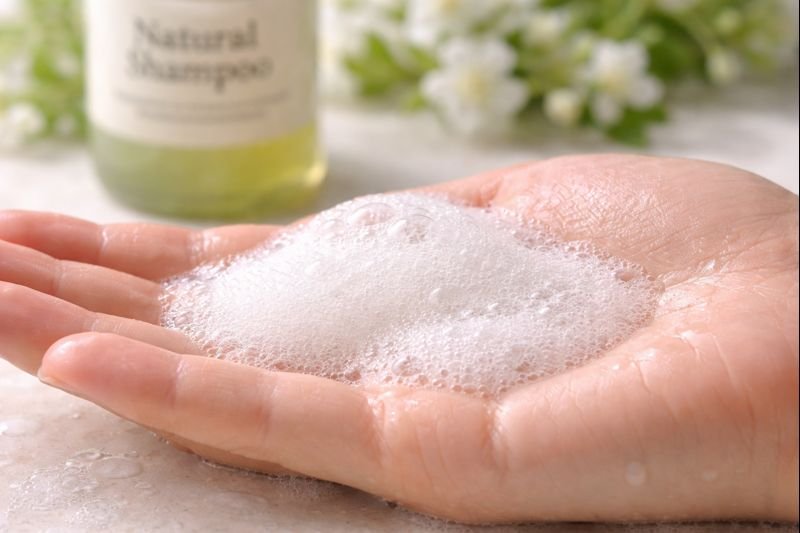
Having formulated both traditional and sulfate-free shampoos, I've heard this concern countless times from consumers. The truth lies in understanding what foam actually represents in your specific product.
The Relationship Between Foam and Cleaning
The foam-cleaning connection is more nuanced than most people realize:
-
Psychological Satisfaction: Humans have a deeply ingrained association between foam and cleanliness. This psychological expectation dates back centuries and crosses cultures—we simply feel more confident when we see bubbles.
-
Functional Benefits and Limitations: While lather does help distribute surfactants evenly through hair, it's not the foam itself that cleans. The surfactant molecules work whether or not they're creating visible bubbles.
-
Formula Intent: Products designed with strong foaming surfactants that suddenly stop lathering likely have an issue. However, products specifically formulated to be low-foaming (like many sulfate-free options) can clean effectively without much lather.
-
Cultural Expectations: Different markets have different foam expectations. Our Asian customers typically expect rich, abundant foam, while some European markets have embraced lower-foam "cleansing conditioners" and similar concepts.
When formulating with HEC, we can actually create products that satisfy different market preferences by adjusting the ratio of foaming agents to stabilizers. This allows brands to maintain cleaning efficacy while meeting regional expectations for the sensory experience.
How to Get More Lather in Shampoo?
Looking for that salon-quality lather at home? Simple techniques can dramatically improve your shampoo's performance.
To increase shampoo lather, wet hair thoroughly before application, use slightly warmer water, consider a water softener for hard water areas, add more water (not more product) while lathering, and use mechanical help like a shower pouf or scalp massager to introduce more air.
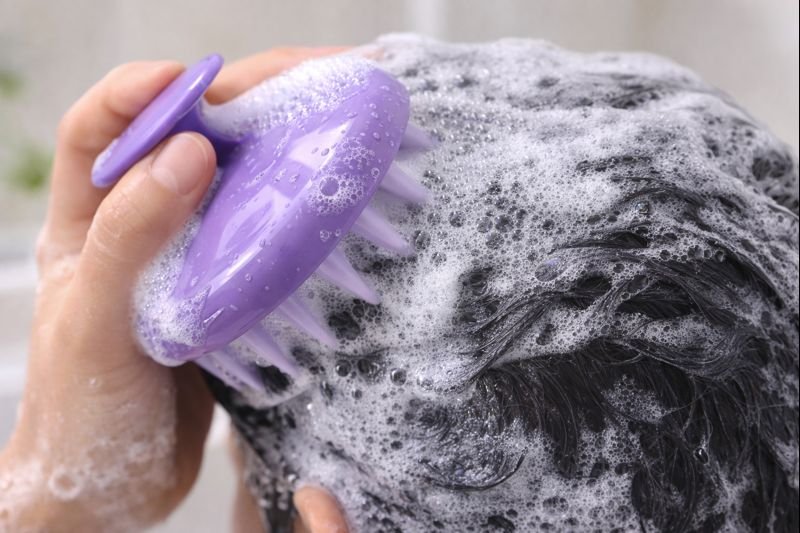
During product demonstrations, I often show how the same shampoo can produce dramatically different results depending on application technique. It's not always about the product itself—sometimes it's all in the method.
Maximizing Your Shampoo's Lathering Potential
Whether you're using a premium salon brand or an everyday formula, these techniques can help you get the most satisfying lather:
-
Pre-Rinse Thoroughly: Spend at least 30-60 seconds letting water run through your hair before applying shampoo. This initial rinse removes loose dirt and begins breaking down oils, giving your shampoo a head start.
-
Dilution Technique: Instead of applying shampoo directly to your scalp, try diluting a small amount in your palms with water first. This pre-activates the surfactants and helps them spread more evenly.
-
Mechanical Assistance: The friction from your hands, a shower pouf, or a scalp massager incorporates air into the formula, which is essential for foam development. More movement equals more bubbles.
-
Two-Phase Application: For maximum lather, try applying a small amount of shampoo, lathering briefly, rinsing, then applying a second amount. The first application removes oils that inhibit lathering, allowing the second to create much richer foam.
-
Water Temperature Balance: While extremely hot water can be damaging to hair, lukewarm water activates surfactants more effectively than cold water. Find the middle ground for best results.
For manufacturers, incorporating HEC helps create formulations that respond better to these consumer techniques. Its thickening properties ensure the product stays where applied long enough for proper manipulation, while its foam-stabilizing characteristics help maintain bubbles once they form.
Should You Lather Your Shampoo?
Is thorough lathering actually necessary for clean hair? Many wonder if skipping this step affects cleanliness.
Lathering your shampoo2 is beneficial but not absolutely essential for cleaning. The mechanical action helps distribute cleansing agents throughout the hair and scalp, potentially improving cleaning effectiveness. However, the cleaning happens through surfactant action, whether visible foam is present or not.
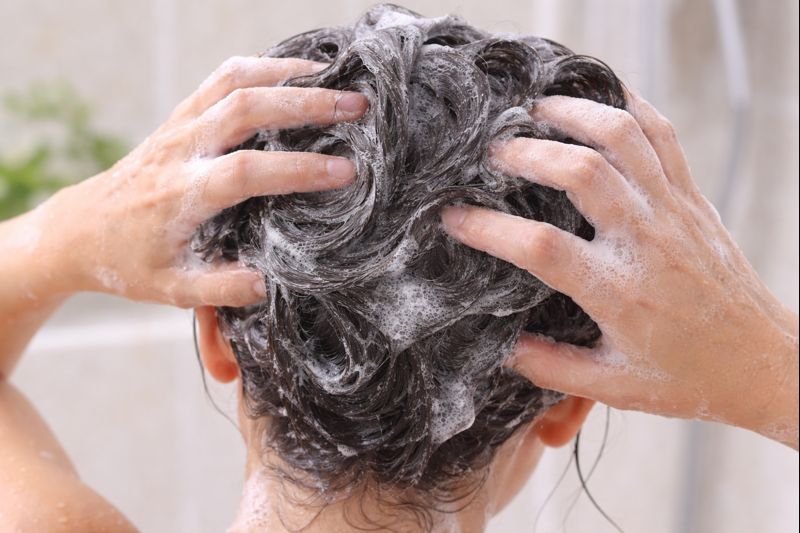
In our consumer studies, we've found a direct correlation between lathering time and satisfaction with cleaning results, regardless of the actual cleansing power of the formula. This highlights how important the lathering ritual is to the overall experience.
The Purpose and Benefits of Lathering
The lathering process serves several important functions beyond just creating satisfying bubbles:
-
Even Distribution: Thorough lathering helps distribute the cleaning agents to all areas of the scalp and hair, ensuring no sections are missed.
-
Mechanical Cleansing: The physical action of massaging the scalp helps dislodge dirt, dead skin cells, and product buildup, enhancing the chemical cleaning process.
-
Enhanced Blood Circulation: The massaging action stimulates blood flow to hair follicles, which can promote healthier hair growth over time.
-
Complete Surfactant Activation: Some surfactants reach peak performance when fully agitated with water and air, which happens during the lathering process.
-
Sensory Feedback: The feel and appearance of lather provides feedback about whether you've used enough product and covered all areas adequately.
When formulating with HEC, we aim to create products that maintain stable foam long enough for consumers to complete this beneficial lathering process. The extended foam stability means consumers don't feel rushed and can take the time to thoroughly clean their hair and scalp.
For those using sulfate-free or low-foaming shampoos, spending extra time on the lathering motion becomes even more important, as you may not have the visual cue of abundant foam to guide you.
What Causes Shampoo to Lather?
Ever wondered why shampoos create those satisfying bubbles? The science behind lathering is fascinating.
Shampoo lathers because surfactants (surface active agents) reduce water's surface tension, allowing it to trap air bubbles when agitated. These molecules have a water-loving head and oil-loving tail, which forms structures around air pockets, creating foam. HEC stabilizes these structures, extending foam life.
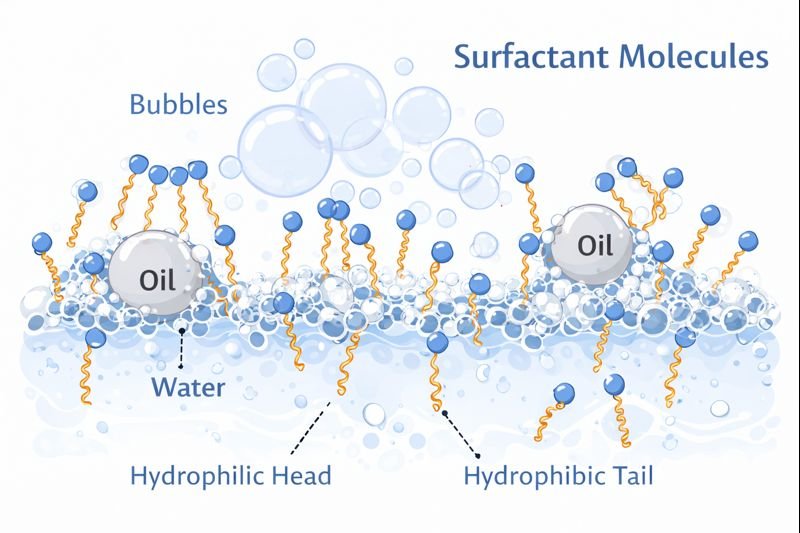
When developing new shampoo formulations in our lab, I'm always amazed at how changing the surfactant blend can dramatically alter the foaming profile. It's truly a science and an art combining these ingredients.
The Chemistry Behind the Bubbles
Understanding foam creation helps appreciate why certain factors affect your shampoo's performance:
-
Surfactant Structure: Primary surfactants like sodium lauryl sulfate create abundant initial foam, while secondary surfactants like cocamidopropyl betaine contribute to foam stability and texture.
-
Air Incorporation: Foam is essentially a dispersion of air in water, stabilized by surfactant films. Without mechanical action to incorporate air, even the best surfactants won't create foam.
-
Interfacial Tension: Surfactants lower the tension between water and air, making it easier for bubbles to form and persist. Hard water minerals increase this tension, fighting against the surfactant's effects.
-
Molecular Interactions: HEC molecules interact with water and surfactant structures, reinforcing the bubble walls and preventing quick drainage of the liquid films that form bubble surfaces.
-
Rheology Modification: Beyond foam stabilization, HEC changes how the liquid flows, creating that rich, luxurious feeling consumers associate with high-quality products.
The synergistic relationship between surfactants and stabilizers like HEC is what creates the ideal lather profile. Our factory produces specialized HEC grades with different molecular weights and substitution patterns specifically optimized for personal care applications, allowing formulators to create precisely the foam characteristics their brand requires.
Conclusion
HEC doesn't create foam directly but plays a crucial role in shampoo lathering by stabilizing bubbles and enhancing foam quality. It makes lather richer, creamier, and longer-lasting, transforming the entire hair washing experience from ordinary to luxurious.
FAQ
Does HEC actually create lather in shampoo?
No, HEC doesn't create lather itself. Surfactants generate the foam, while HEC stabilizes and enhances it by thickening the liquid and strengthening foam walls.
Why is stable lather important in shampoo?
Stable lather helps distribute cleansing agents evenly throughout hair, provides feedback about coverage, and creates a more satisfying sensory experience that consumers associate with effectiveness.
Can HEC improve lathering in hard water?
Yes, HEC can help improve lathering performance in hard water by providing additional stability to foam structures that would otherwise be compromised by mineral ions.
Is HEC suitable for all shampoo types?
Yes, HEC works well in most shampoo formulations, including sulfate-free options, though the optimal concentration may vary depending on the specific surfactant system used.
How does HEC affect the feel of shampoo?
HEC enhances the tactile qualities of shampoo by increasing viscosity and creating a smoother, more substantial texture. This contributes to a premium hand-feel and improved application experience.
Is HEC environmentally friendly?
HEC is derived from cellulose, a renewable plant source, making it more environmentally friendly than some synthetic alternatives. It's biodegradable and compatible with eco-friendly formulation approaches.
How much HEC is typically used in shampoo formulations?
Most shampoos use between 0.3-1% HEC, depending on the desired viscosity and foam stability. Premium products often use higher concentrations to achieve luxurious texture and lather.
Does HEC affect how well shampoo cleans?
While HEC doesn't have direct cleaning properties, it improves cleaning effectiveness indirectly by enabling better distribution of surfactants throughout the hair and prolonging contact time through stable foam.
Can I add HEC to my existing shampoo to improve lather?
Adding HEC to finished products isn't recommended for consumers. HEC requires proper dispersion and hydration techniques during manufacturing. For lather improvement at home, try mechanical aids like shower poufs instead.