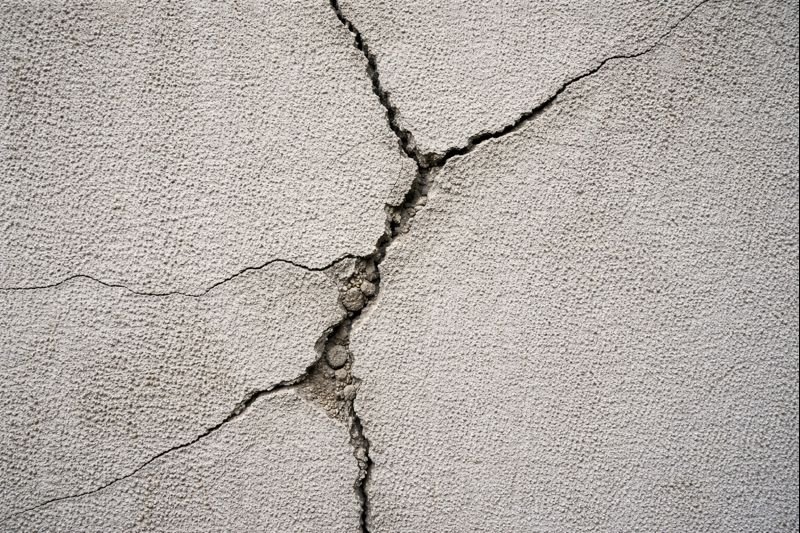
Cracked concrete is more than just an eyesore—it's a gateway to structural damage. Water seeps in, freeze-thaw cycles expand the cracks, and before you know it, your solid foundation is compromised.
To correctly fill cracks in concrete, first clean the crack thoroughly, then choose the appropriate filler based on crack width: use epoxy or polyurethane for hairline cracks (under 1/4 inch), and concrete patching compound for wider gaps (over 1/4 inch).
I've seen many DIY enthusiasts and even professionals make critical mistakes when filling concrete cracks. The right approach depends on several factors including crack width, location, and purpose of the concrete structure. Let me walk you through the process I've refined over years of working with concrete repair projects.
How to Choose the Right Concrete Patching Material?
When I first started working with concrete repairs, I wasted money on products that failed within months. Choosing the wrong patching material means repeated repairs, wasted time, and growing frustration.
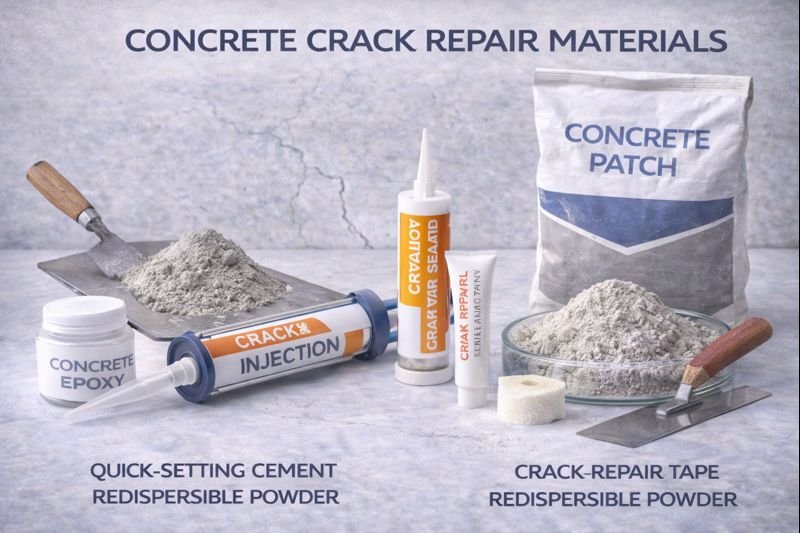
The best concrete patching material depends on crack width and location. For hairline cracks, use epoxy injections or polyurethane sealants. For cracks 1/4 to 1/2 inch wide, use vinyl concrete patching compound. For larger gaps over 1/2 inch, use mortar mix1 or concrete repair mix with aggregate.
Different concrete repair situations call for specific solutions. I've compiled this table based on my experience with various patching materials across different applications:
| Crack Type | Best Patching Material | Durability | Cost | Ease of Use |
|---|---|---|---|---|
| Hairline (< 1/8") | Epoxy or polyurethane | High | $$$$ | Moderate |
| Small (1/8" - 1/4") | Vinyl concrete patch | Good | $$ | Easy |
| Medium (1/4" - 1/2") | Concrete repair mix | Very good | $$ | Easy |
| Large (> 1/2") | Mortar mix with aggregate | Excellent | $ | Moderate |
| Active/Moving | Flexible sealant | Moderate | $$$ | Easy |
For load-bearing areas, I always recommend using products with structural reinforcement capabilities. Many homeowners make the mistake of using simple cement for all applications, but this often leads to premature failure, especially in areas subject to vibration or movement. Epoxy-based products, though more expensive, provide superior bonding and flexibility where needed.
What Are the Different Types of Concrete Cracks?
The first time I saw map cracking on my driveway, I panicked and filled every crack with the same product. That was a costly mistake. Different crack patterns signal different underlying issues.
Concrete cracks come in several forms: shrinkage cracks (thin, random patterns), settlement cracks (wider, often vertical), structural cracks (deep, often with displacement), and crazing cracks (shallow surface network). Each type requires different repair approaches and materials.

Understanding crack patterns helps diagnose the root cause of concrete failure. In my years working with concrete structures, I've learned to "read" these patterns like a doctor reads symptoms:
Types of Concrete Cracks and Their Causes
| Crack Type | Appearance | Common Causes | Structural Concern |
|---|---|---|---|
| Shrinkage | Thin, random pattern | Too rapid drying, improper mix | Low |
| Settlement | Wider, often vertical | Soil movement, poor compaction | Moderate to High |
| Structural | Deep, possibly with offset | Overloading, poor design | High |
| Crazing | Shallow surface network | Surface drying too quickly | Very Low |
| Expansion | Parallel, evenly spaced | Thermal cycling, no expansion joints | Moderate |
When examining cracks in a concrete structure, I always look for secondary issues like water seepage, surrounding damage, or signs of continuing movement. Cracks wider than 1/4 inch or those that continue to grow often indicate problems beyond simple surface damage. In these cases, I recommend consulting a structural engineer before attempting repairs, as they might signal foundation issues that require professional intervention.
Can You Use Mortar Mix to Fill Cracks in Concrete?
Years ago, I tried using basic mortar to patch a wide crack in my garage floor. Six months later, the patch had crumbled and the crack was back. I learned the hard way that mortar isn't always the right solution.
Yes, mortar mix1 can be used to fill cracks in concrete, but only for cracks wider than 1/2 inch. For optimal results, use a modified mortar mix with bonding agents or a specialized concrete repair mortar. Standard mortar lacks the adhesive properties and flexibility needed for durable crack repair.

Mortar's effectiveness for crack repair depends greatly on proper preparation and application techniques. From my experience working with various concrete repair projects, I've found these factors crucial for successful mortar-based repairs:
Key Considerations for Using Mortar in Concrete Crack Repair
The preparation process is absolutely critical when using mortar for concrete repairs. I always start by widening the crack slightly to create a "V" shape, which provides better mechanical bonding. The crack must be thoroughly cleaned of all dust and loose material - I use a wire brush followed by compressed air or a strong vacuum.
Before applying mortar, I always dampen the crack (without leaving standing water) to prevent the existing concrete from absorbing moisture from the mortar mix too quickly. Without this step, the mortar can dry too rapidly and develop its own cracks.
For enhanced performance, I recommend adding a concrete bonding agent to the mix or applying it to the crack before placing the mortar. This significantly improves adhesion between the old concrete and new mortar. For cracks in horizontal surfaces subject to traffic, consider adding fiber reinforcement to the mortar mix for improved tensile strength.
How to Fill a 2-Inch Gap in Concrete?
When I encountered a massive 2-inch gap between my concrete patio sections, standard crack fillers wouldn't work. Large gaps require a different approach entirely.
To fill a 2-inch gap in concrete, use a two-step process: First, clean the gap thoroughly and apply a bonding agent. Then fill with a concrete mix containing small aggregate (3/8 inch gravel). For very deep gaps, fill in 2-inch layers, allowing each to set partially before adding the next layer.

Large concrete gaps present unique challenges that require careful planning and execution. Through my experience with major concrete repairs, I've developed a reliable method for addressing these substantial voids:
When dealing with gaps 2 inches or wider, proper preparation becomes even more critical. I always start by removing any vegetation, dirt, or debris from the gap, using a pressure washer if available. For deep gaps, I check for utilities before proceeding and ensure the base is compacted to prevent future settling.
For gaps deeper than 3 inches, I create a proper sub-base using compacted gravel. This provides drainage and stability for the repair material. The concrete mix for large gaps should contain aggregate proportional to the gap size - for a 2-inch gap, aggregate up to 3/8 inch works well.
Temperature considerations are particularly important with large repairs. I try to work on days when extreme temperatures won't affect curing. For better results with large repairs, I often use concrete with added polymer modifiers2 that improve flexibility and adhesion, reducing the chance of the repair material separating from the existing concrete.
Is It OK to Put Cement Over Cracked Concrete?
I once saw a contractor simply skim coat cracked concrete without proper preparation. Within weeks, all the cracks had telegraphed through the new surface. Simply covering cracks rarely works.
No, simply putting cement over cracked concrete is not recommended. The cracks will typically "telegraph" through the new layer. Instead, properly repair cracks first, then apply a bonding agent before adding any new cement layer. For structural cracks, address the underlying cause before resurfacing.
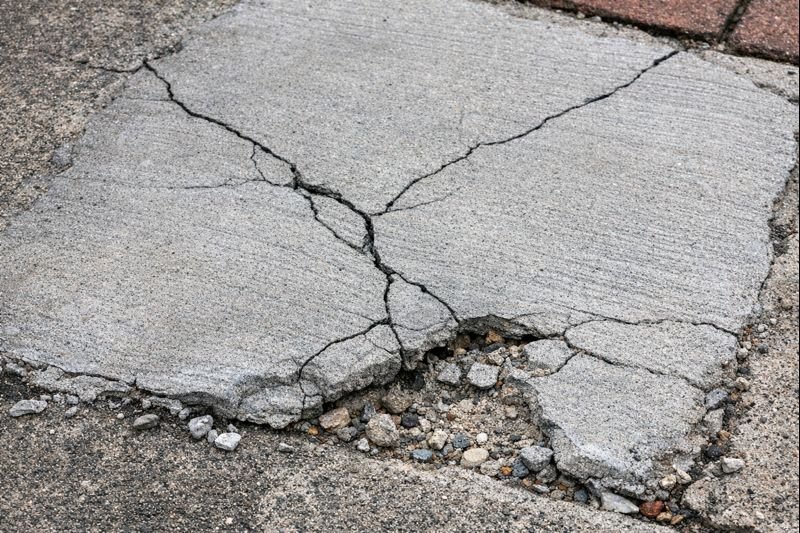
Understanding when resurfacing is appropriate versus when deeper repairs are needed has saved me from many failed projects. Here's what I've learned about concrete overlays and resurfacing:
Covering cracked concrete without proper preparation is one of the most common mistakes I see in concrete repair. The underlying issues causing the cracks must be addressed first, or they'll simply reappear in the new surface. This is especially true for cracks caused by structural movement, soil settlement, or freeze-thaw cycles.
For any cement overlay to succeed, the existing surface must be properly prepared. This includes cleaning (I recommend pressure washing), repairing all existing cracks, and applying a concrete bonding agent. Without these steps, new cement will not bond properly to the old surface.
When existing concrete has multiple issues beyond simple cracking - such as spalling, severe crazing, or uneven settling - I often recommend complete removal and replacement rather than resurfacing. While this initially costs more, it provides a longer-lasting solution and addresses fundamental problems rather than masking symptoms.
Conclusion
Properly filling concrete cracks requires selecting the right materials for the specific crack type, thorough preparation, and appropriate application techniques. By addressing the root causes and using suitable repair methods, you can extend the life of your concrete structures significantly.