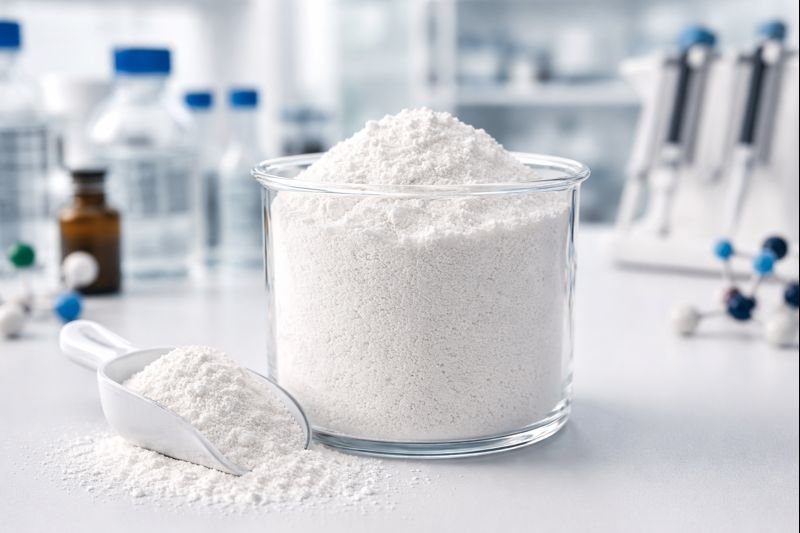
Are you frustrated by HPMC losing viscosity after shipping to the Middle East? This problem is costing you money and customer trust. Your cellulose products deserve better protection.
HPMC1 loses viscosity in the Middle East primarily due to moisture absorption and high temperatures. These conditions break down the polymer chains in hydroxypropyl methylcellulose, reducing its thickening capacity. Proper storage in cool, dry environments with pallets for elevation can prevent degradation.
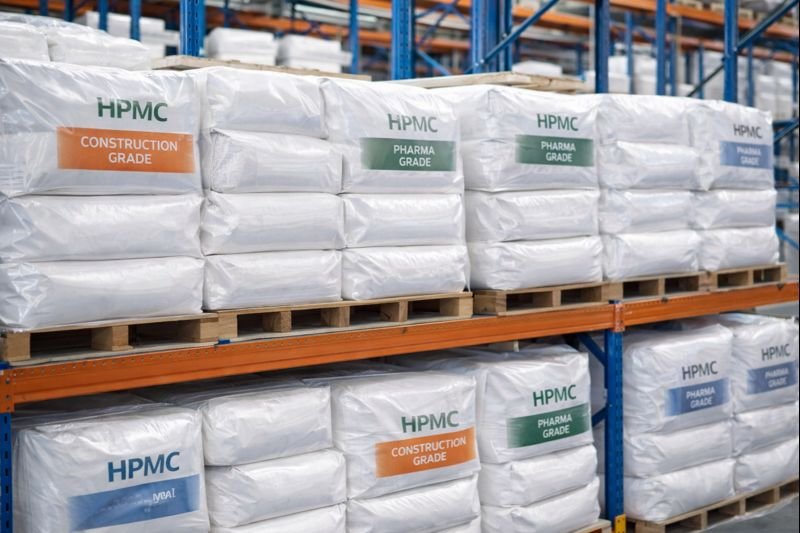
I've been supplying HPMC to Middle Eastern countries for over a decade, and I've seen firsthand how quickly product quality can deteriorate under harsh conditions. Let me share what I've learned about preserving your cellulose products' performance even in challenging climates.
What Are the Storage Conditions for HPMC1?
Do you know your HPMC is deteriorating while sitting in those warehouses? Every day in improper storage conditions chips away at product quality and your profits.
HPMC should be stored in dry areas with relative humidity below 65% and temperatures between 5-35°C (41-95°F). Keep bags sealed, elevated on pallets, away from walls, and protected from direct sunlight. Maintain first-in-first-out inventory management2 for optimal quality.
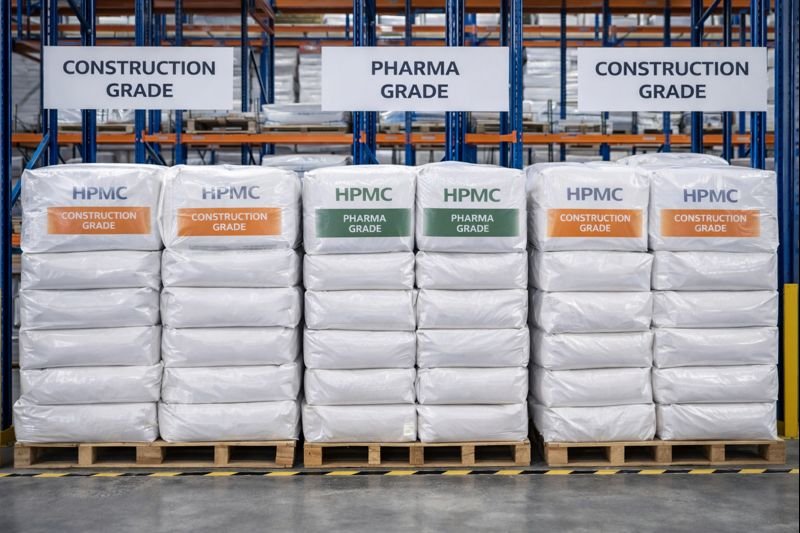
The Middle East presents unique challenges for HPMC storage due to its extreme climate. In countries like Saudi Arabia, UAE, and Iran, daytime temperatures can soar above 45°C while humidity varies dramatically between coastal and inland areas. These conditions accelerate HPMC degradation.
Climate Variations Across Middle Eastern Markets
| Country | Avg. Summer Temp | Humidity Challenge | Storage Recommendation |
|---|---|---|---|
| Saudi Arabia | 38-45°C | Low inland, high coastal | Air-conditioned facilities inland, dehumidifiers in coastal areas |
| UAE | 35-45°C | High (60-90%) | Climate-controlled warehousing with dehumidifiers |
| Iran | 30-40°C | Varies by region | Indoor storage with temperature monitoring |
| Pakistan | 30-40°C | High during monsoon | Elevated storage, moisture barriers |
| India | 30-45°C | Extreme during monsoon | Climate-controlled facilities, moisture indicators |
I once visited a customer in Jeddah who had stored their HPMC shipment directly against an exterior wall that heated up during the day. The outer bags had lost nearly 30% of their viscosity compared to the center pallets. Simply rearranging their warehouse layout with 50cm clearance from walls improved product stability dramatically.
What is the Viscosity of HPMC?
Is your HPMC not performing as expected? Your customers are noticing the difference, and it's only a matter of time before they look elsewhere.
HPMC viscosity typically ranges from 3 to 200,000 mPa·s (measured at 2% solution at 20°C) depending on grade. Viscosity correlates directly with molecular weight and is the key performance indicator for applications like cement mortars, renders, and paints, determining water retention and workability.
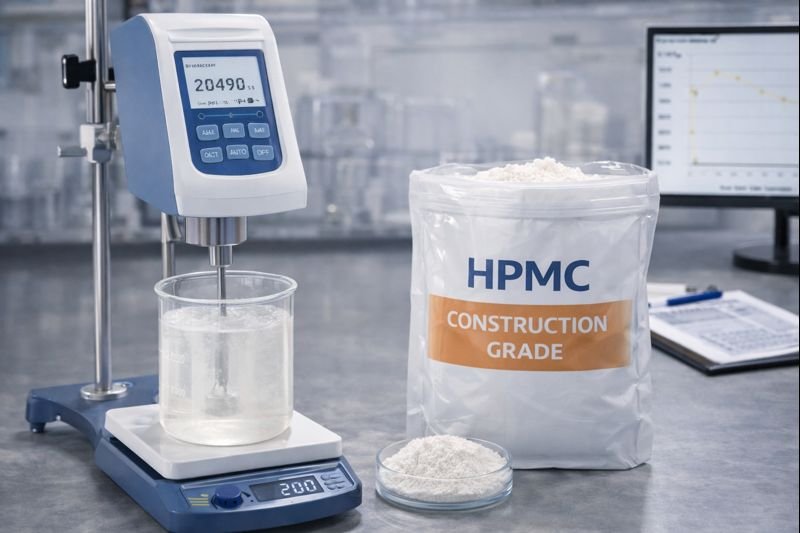
Viscosity is the most crucial property of HPMC in construction applications. When molecular chains degrade due to improper storage, the direct result is reduced viscosity and compromised performance in end products. Understanding the science behind this helps prevent costly quality issues.
HPMC Viscosity Ranges and Applications
| Viscosity Range (mPa·s) | Typical Applications | Sensitivity to Storage Conditions |
|---|---|---|
| 3-15 | Cement grouts, spray plasters | Low-Medium |
| 15-100 | Tile adhesives, self-leveling compounds | Medium |
| 100-4,000 | Renders, plasters, joint compounds | Medium-High |
| 4,000-15,000 | Thick-layer mortars, stuccos | High |
| 15,000-200,000 | Specialty applications, high water retention | Very High |
I remember a large mortar manufacturer in Dubai who complained about inconsistent product performance. When we investigated, we found their HPMC was stored in an area where afternoon temperatures reached 40°C. The viscosity had dropped by 20% in just two months. After implementing a temperature-controlled storage area, their product consistency problems disappeared completely.
How to Thicken HPMC1?
Have you noticed your HPMC solutions aren't reaching the expected viscosity? This isn't just an inconvenience – it's compromising your entire product line.
To thicken HPMC solutions that have lost viscosity, you can add fresh high-viscosity HPMC to boost performance, incorporate complementary thickeners like xanthan gum or cellulose derivatives, adjust the pH to 7-8 where HPMC performs optimally, or use cold water dispersion methods for better hydration.
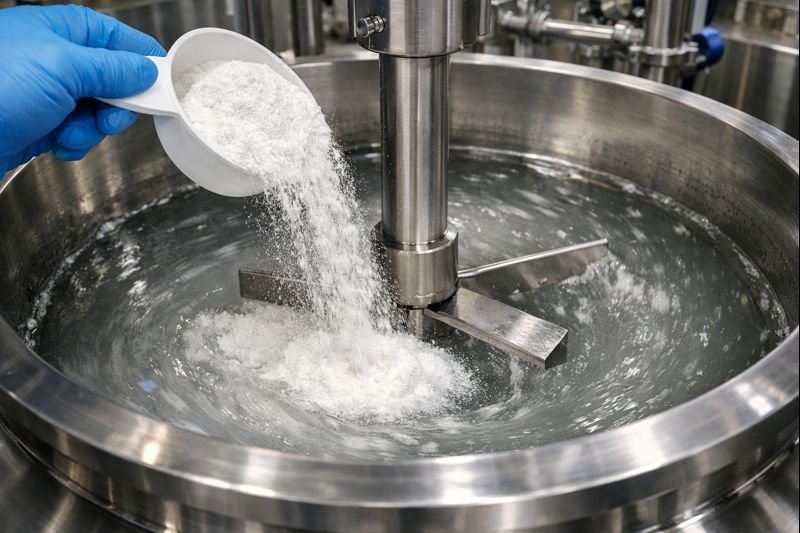
When HPMC loses viscosity due to improper storage, remedial actions can sometimes salvage the material. However, prevention is always more cost-effective than correction. Understanding the molecular structure of HPMC helps explain why certain approaches work better than others.
Strategies to Compensate for Viscosity Loss
| Method | Effectiveness | Implementation Difficulty | Cost Impact |
|---|---|---|---|
| Blending with fresh HPMC | High | Low | Medium |
| Using complementary thickeners | Medium | Medium | Low-Medium |
| pH optimization | Medium | Medium | Low |
| Cold water dispersion | Medium-High | Low | Low |
| Temperature reduction during mixing | Medium | Low | Low |
The effectiveness of these methods depends on the extent of degradation. Once polymer chains are broken due to moisture or heat exposure, the damage is permanent. That's why I always emphasize proper storage to my clients.
A customer in Iran once called me in panic because their HPMC1 had lost significant viscosity after being stored in a humid basement for three months. We helped them blend it with fresh material at a 2:1 ratio and adjust their formulation accordingly. While this salvaged their immediate production needs, it reinforced the critical importance of proper storage from the beginning.
What is the Degradation Temperature of HPMC?
Is extreme heat secretly destroying your HPMC quality? Your product may look fine but perform poorly if exposed to high temperatures.
HPMC begins to degrade at temperatures above 50°C (122°F), with significant degradation occurring at 70°C (158°F). Long-term storage should be kept below 35°C (95°F) to maintain stability. At temperatures above 85°C (185°F), rapid decomposition occurs, permanently destroying product functionality.
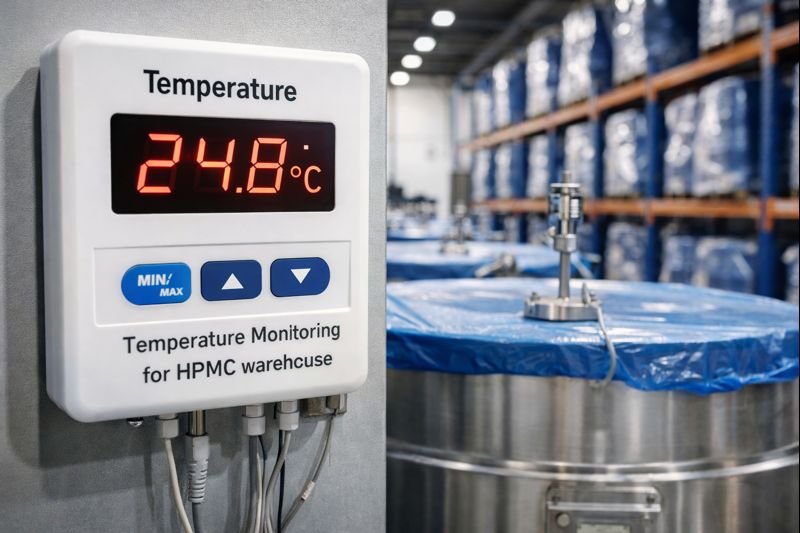
Temperature acts as a catalyst for molecular degradation in HPMC. In the Middle East, where temperatures frequently exceed the safe threshold, understanding these limits becomes critical for maintaining product integrity. I've analyzed how different temperature ranges affect HPMC stability over time.
Temperature Effects on HPMC Storage Life
| Temperature Range | Expected Shelf Life | Observable Effects |
|---|---|---|
| Below 25°C (77°F) | 24+ months | Maintains original properties |
| 25-35°C (77-95°F) | 12-18 months | Gradual viscosity reduction |
| 35-50°C (95-122°F) | 6-12 months | Noticeable degradation, yellowing |
| Above 50°C (122°F) | 1-3 months | Rapid degradation, significant viscosity loss |
| Above 70°C (158°F) | Days to weeks | Severe degradation, possible charring |
I recently helped a client in Saudi Arabia who had stored their HPMC in a metal shed where temperatures reached 55°C during summer months. After just two months, their HPMC had lost almost 40% of its original viscosity3. We implemented a simple solution—installing reflective insulation coating on the warehouse roof and walls—which reduced interior temperatures by 15°C and solved their degradation problems.
Conclusion
Proper HPMC storage in the Middle East requires protection from moisture and heat. Store in cool, dry places on pallets, away from walls and direct sunlight. Monitor conditions regularly and rotate stock to maintain product quality and performance.
FAQ
How long can HPMC be stored?
Under ideal conditions (cool, dry environment), HPMC can maintain its properties for 24 months. In Middle Eastern climates, without climate control, this may reduce to 6-12 months.
Does HPMC absorb moisture from air?
Yes, HPMC is hygroscopic and will absorb moisture from humid air, which breaks down its polymer chains and reduces viscosity.
Can degraded HPMC be restored?
Once HPMC degrades due to moisture or heat, the change is irreversible. You can blend it with fresh material as a partial remedy, but prevention is always better.
What's the best packaging for HPMC in humid conditions?
Multiple-layer kraft paper bags with an inner polyethylene layer provide the best protection. For extremely humid areas, consider additional moisture-barrier packaging.
How can I test if my HPMC has degraded?
Prepare a 2% solution and measure its viscosity with a viscometer. Compare results to the product specification. Visual indicators include clumping, discoloration, or difficulty in achieving proper dispersion.