Are you struggling with construction materials that crack, sag, or lack proper adhesion? Many builders face these frustrating issues daily, wasting time and money on rework. The solution might be simpler than you think.
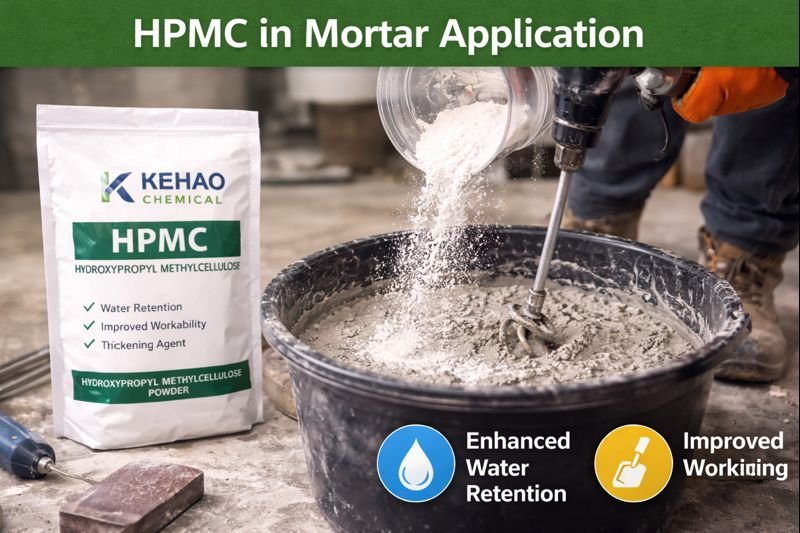
Hydroxypropyl methylcellulose1 (HPMC) is a modified cellulose ether2 derived from natural cellulose that acts as a crucial additive in construction materials. It provides water retention, improved workability, and enhanced adhesion in products like mortars, plasters, and paints, significantly increasing their performance and durability.
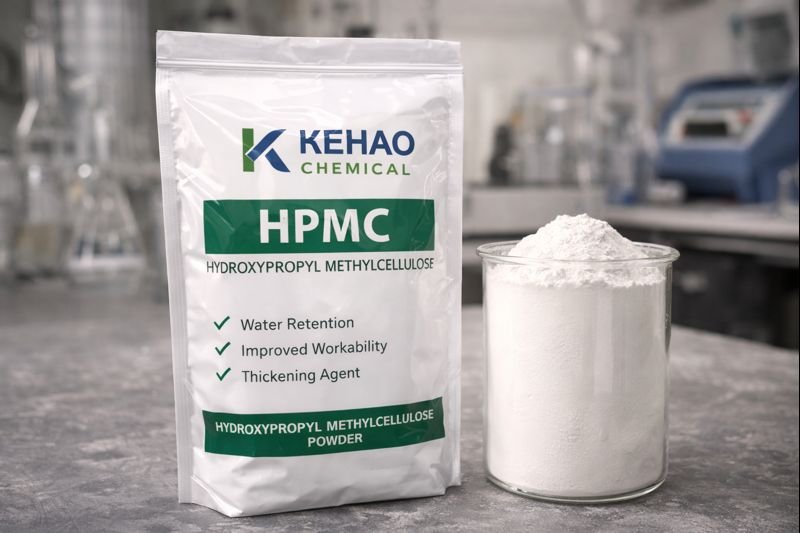
As a supplier with six production lines, I've seen firsthand how the right HPMC can transform building products. Let me show you why this versatile polymer is indispensable in modern construction and how it could solve many challenges you're currently facing.
What Is Hydroxypropyl Methylcellulose? The Complete Introduction
Do you know what makes your construction materials workable and long-lasting? Many contractors use products containing HPMC without fully understanding its critical role in performance.
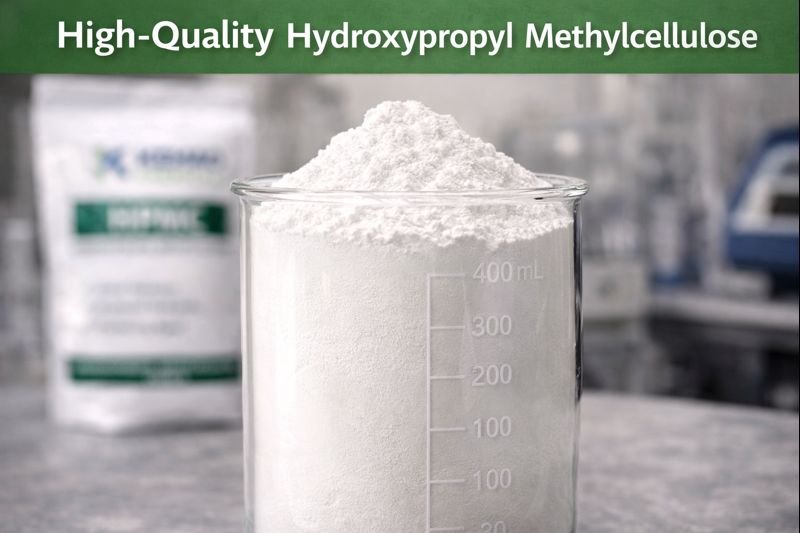
Hydroxypropyl methylcellulose1 is a non-ionic cellulose ether produced by chemically modifying cellulose with methyl and hydroxypropyl groups. This white, odorless powder dissolves in cold water to form a clear viscous solution that provides thickness, water retention, and binding properties in various applications.

Chemical Structure and Manufacturing Process
HPMC starts its journey from natural cellulose, typically sourced from cotton linters or wood pulp. At our Kehao factory, we follow a careful multi-step process to transform this raw material into high-quality HPMC.
The manufacturing begins with treating cellulose with sodium hydroxide (alkali cellulose), followed by reactions with methyl chloride and propylene oxide. These reactions substitute hydroxyl groups in the cellulose structure with methoxyl and hydroxypropyl groups. The degree of substitution determines many of the final properties of the HPMC product.
We carefully control this process across our six production lines to achieve different viscosities and substitution levels based on customer requirements. The manufacturing process involves:
- Alkalinization of cellulose
- Etherification with methyl chloride and propylene oxide
- Neutralization
- Purification
- Drying and milling to specific particle sizes
This careful control allows us to customize products for different applications - from low-viscosity grades for paints to high-viscosity versions for thick-layer mortars. When I visit clients in countries like Saudi Arabia or Pakistan, I often bring samples with different specifications to demonstrate how the right grade can transform their specific formulations.
HPMC Properties: What Makes This Additive So Valuable?
Have you ever wondered why some mortars retain water perfectly while others dry out too quickly? Or why certain paints apply smoothly while others sag? The difference often comes down to the quality and type of HPMC used.
HPMC provides several key functional properties including thickening, water retention, binding, film formation, and stabilization. It creates pseudoplastic solutions that thin under shear stress and recover viscosity at rest, making building materials easy to apply yet resistant to sagging and dripping.
Key Physical and Chemical Properties
Understanding the properties of HPMC helps in selecting the right grade for specific applications. From my years supplying HPMC to major construction companies across developing markets, I've identified these critical characteristics that make HPMC indispensable in modern construction formulations.
HPMC exhibits both hydrophilic and hydrophobic characteristics due to its substituted groups. This unique molecular structure enables it to:
-
Form viscous solutions: HPMC dissolves in cold water to create solutions with adjustable thickness based on concentration and molecular weight. Most construction applications use HPMC with viscosities ranging from 4,000 to 100,000 mPa·s (measured at 2% solution, 20°C).
-
Provide temperature-dependent solubility: HPMC exhibits reverse thermal gelation, becoming less soluble at higher temperatures. This property is particularly valuable in hot climate countries like Saudi Arabia and UAE where I supply many clients.
-
Retain water: Perhaps its most valuable property in construction, HPMC can hold water in cement mixtures up to 70 times its weight, allowing proper cement hydration even in dry or hot conditions.
-
Form flexible films: Upon drying, HPMC solutions create transparent, tough films that contribute to cohesion in dried materials.
-
Stabilize suspensions: It prevents sedimentation of solid particles in liquid formulations like paints and coatings.
| Property | Range | Application Benefit |
|---|---|---|
| Viscosity | 4,000-100,000 mPa·s | Controls consistency and workability |
| Methoxyl content | 19-30% | Affects water solubility and film strength |
| Hydroxypropyl content | 7-12% | Influences surface activity and compatibility |
| Gel temperature | 58-90°C | Important for application in different climates |
| Particle size | 80-100 mesh typical | Determines dissolution speed |
The balance of these properties is critical. For instance, when I worked with a major mortar producer in Mexico last year, we adjusted the hydroxypropyl content to improve their product's performance in humid coastal regions, while maintaining the water retention capabilities they needed.
Conclusion
Hydroxypropyl methylcellulose1 is truly the unsung hero of modern construction materials. Its unique properties enhance workability, strength, and durability of mortars, cements, and paints. Finding the right HPMC supplier with proper quality control is essential for consistent results.