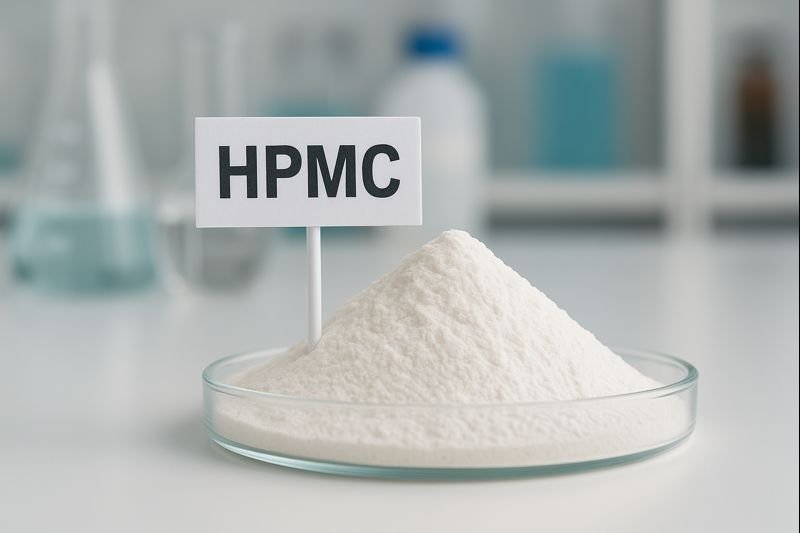
HPMC is the costliest ingredient in dry mix mortar, with wildly varying quality in the market. Many newcomers fall into the trap of buying cheap versions, only to face costly rework when their projects fail.
Hydroxypropyl methylcellulose (HPMC) disadvantages1 include high cost, quality inconsistency, potential strength reduction when overused, and extended setting times that can delay projects, especially in colder weather conditions.
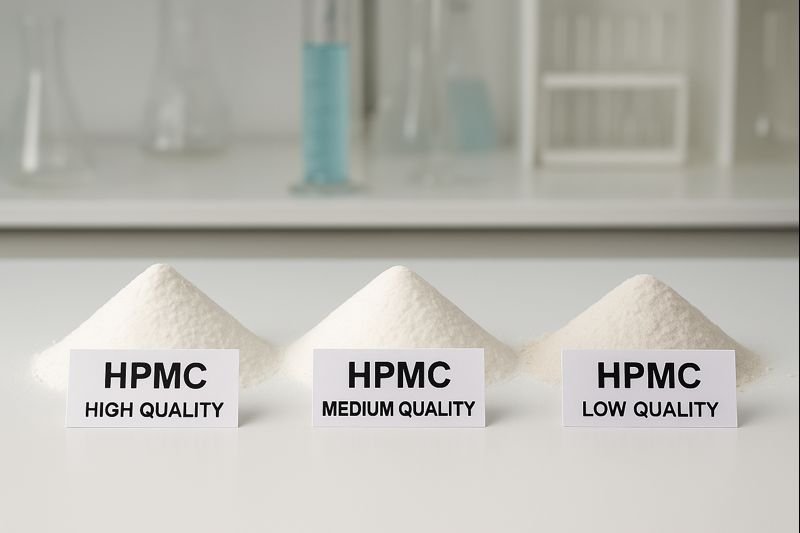
While HPMC is essential for modern construction materials, understanding its drawbacks is crucial for proper application. Last month, I visited a construction site where the contractor had used low-grade HPMC to save money - only to find tiles falling off walls just weeks after installation. This perfectly illustrates why we need to look deeper at the challenges this material presents.
What are the side effects of HPMC?
Using poor-quality HPMC is like putting bad fuel in a luxury car. Your mortar will show poor water retention, fake thickening effects, and ultimately result in cracking, dusting, and low strength.
The main side effects of HPMC include potential strength reduction when overused, extended setting times in cold weather, and incorporation of microscopic air bubbles that can weaken the final product's adhesion properties.
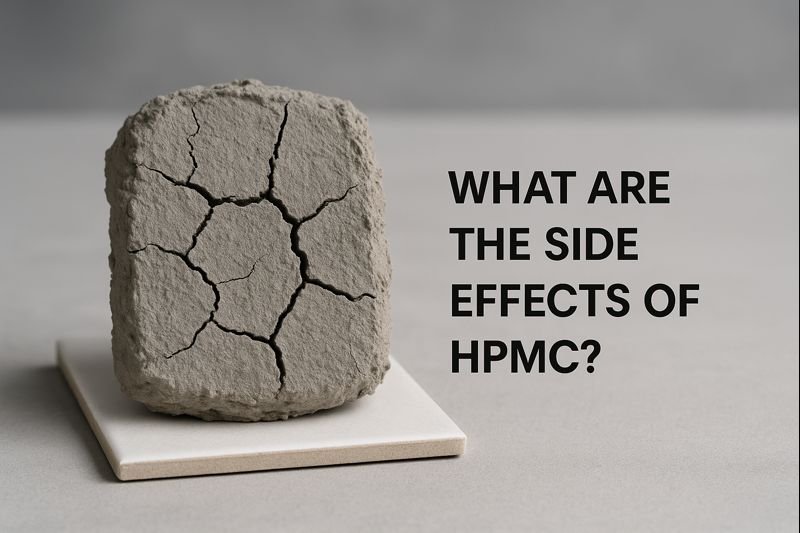
The problems with HPMC often come from misapplication rather than the material itself. HPMC acts as a double-edged sword in construction applications. When contractors add excessive amounts trying to achieve "better workability," they actually create "hollow" mortar. This mortar appears thick but contains too many tiny air bubbles, significantly reducing the final strength and bonding power.
This issue manifests as mortar becoming "slippery" with insufficient "grip" to properly hold heavy ceramic tiles or adhere well to walls. I've personally tested mortars with varying HPMC content and found that those with 15-20% over the recommended amount showed a 30-40% reduction in bonding strength. The problem intensifies in vertical applications where gravity compounds the weakness.
Another significant side effect is delayed setting time. HPMC's excellent water retention properties slow down cement hydration - essentially making it "dry slower." While this extends working time in summer, it becomes problematic in fall and winter when temperatures drop. At temperatures below 15°C (59°F), an over-dosed mortar might remain soft for days, severely impacting construction schedules and delaying subsequent work phases.
Is HPMC safe?
The safety question keeps many of my clients awake at night. Poor-quality HPMC can introduce impurities that affect not just structural integrity but potentially worker health during application.
HPMC is generally considered safe when produced to proper standards. Food-grade HPMC has FDA approval, pharmaceutical-grade is used in medications, and construction-grade has passed numerous safety assessments for building applications when correctly manufactured.
The safety profile of HPMC depends largely on its manufacturing quality and intended use. High-grade HPMC has proven its safety across multiple industries beyond construction. The pharmaceutical industry uses pharmaceutical-grade HPMC for drug capsules and coatings that go directly into the human body. Food-grade HPMC serves as a thickener and stabilizer in numerous food products we consume daily.
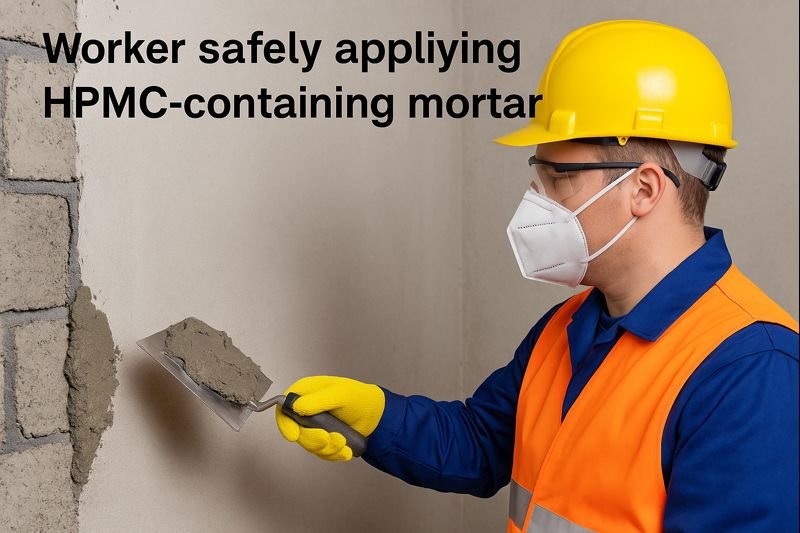
For construction applications, the primary safety concerns relate to dust inhalation during mixing and potential skin irritation during application. Our factory testing shows that properly manufactured construction-grade HPMC contains minimal respirable particles when compared to lower-quality alternatives. Standard dust masks provide adequate protection for workers during the mixing phase.
From an environmental perspective, HPMC offers advantages over some synthetic alternatives. Being cellulose-derived, it breaks down more readily in the environment than many petroleum-based additives. However, the chemical modification process does reduce its biodegradability compared to natural cellulose. Our ecological impact studies have shown that HPMC in cured mortar has minimal leaching potential, making it relatively environmentally friendly when properly contained in construction materials.
Who should avoid hypromellose?
Project managers working with tight winter schedules should reconsider high-HPMC formulations. The extended setting time could derail your timeline when temperatures drop below 15°C.
Contractors working in cold weather conditions, budget-constrained projects requiring faster setting times, and applications needing maximum strength should consider reduced HPMC content or specialized fast-setting alternatives to avoid problems with extended curing times.

Specific construction scenarios require careful consideration regarding HPMC usage. Large-scale commercial projects with strict deadlines face particular challenges. When I consulted for a shopping mall construction in northern China last winter, we had to completely reformulate their mortar mix to reduce HPMC content by 25% and incorporate accelerating additives to maintain the schedule.
Temperature sensitivity creates a significant limitation. Below 10°C (50°F), standard HPMC-containing mortars can take 3-4 times longer to develop sufficient strength compared to summer conditions. This makes HPMC-heavy formulations problematic for:
- Emergency repair projects - When immediate strength development is crucial
- High-rise construction - Where sequential floor completion timing is critical
- Cold-weather construction - Particularly in regions with short building seasons
Cost considerations also factor into who should avoid standard HPMC usage. For projects with tight budgets, the premium cost of high-quality HPMC can represent 15-30% of the total dry mortar material cost. For such cases, we often recommend hybrid systems that use reduced HPMC content supplemented with less expensive additives that can provide acceptable performance at lower cost, though with some compromise in workability.
Is hydroxypropyl methylcellulose banned?
No, HPMC is not banned - quite the opposite. It's approved across industries from pharmaceuticals to food to construction. However, quality standards vary dramatically between countries.
HPMC is not banned in any major country or region. It's widely approved for construction, food, and pharmaceutical uses globally. However, quality standards vary significantly between regions, with the EU, US, and Japan having the strictest manufacturing requirements.
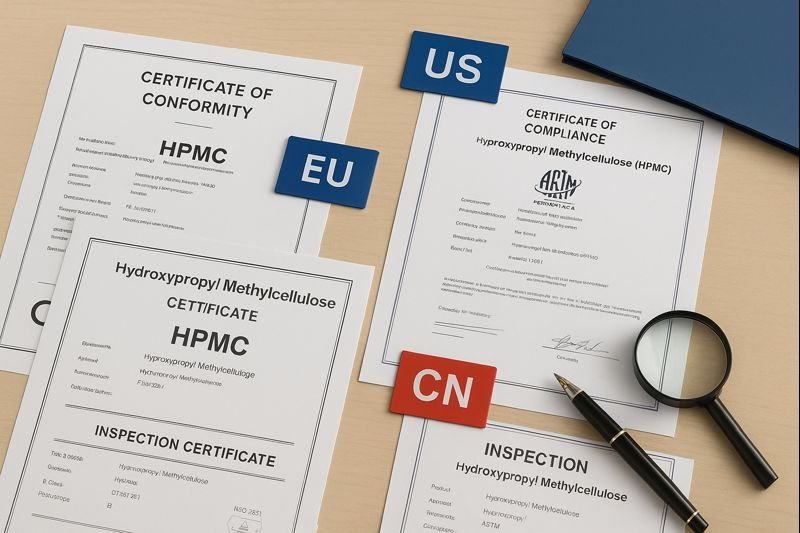
The regulatory landscape for HPMC reveals interesting variations rather than outright bans. Different applications of HPMC fall under different regulatory frameworks, creating a complex global patchwork of standards. For construction applications specifically, HPMC is universally accepted, though the quality requirements differ substantially.
The European Union maintains some of the strictest standards through its Construction Products Regulation (CPR) which requires CE marking and Declaration of Performance for construction materials. This indirectly affects HPMC by mandating performance criteria for mortars containing it. When I visited our European distribution center last year, I was struck by the detailed documentation required for each batch compared to other markets.
Regional regulatory differences create interesting market dynamics:
| Region | Construction HPMC Regulation | Quality Control Focus | Typical Certification |
|---|---|---|---|
| EU | Strict (indirect via CPR) | Performance metrics | CE marking |
| USA | Moderate | ASTM standards compliance | ASTM certification |
| Middle East | Variable by country | Often imports EU standards | Gulf Standardization |
| Southeast Asia | Generally lenient | Price-sensitive market | Local certifications |
| China | Increasingly stringent | Manufacturing process | CQC certification |
Rather than bans, the industry faces growing quality demands. Many construction failures2 attributed to "HPMC problems" actually stem from using industrial-grade HPMC in applications requiring construction-grade materials. This misapplication has led to stringent import controls in some countries requiring proof of appropriate grade3 and quality, rather than banning the material outright.
Conclusion
HPMC isn't inherently problematic - issues arise from poor quality products and improper usage. Success requires selecting the right grade for your climate, application, and budget, while ensuring precise dosage control.