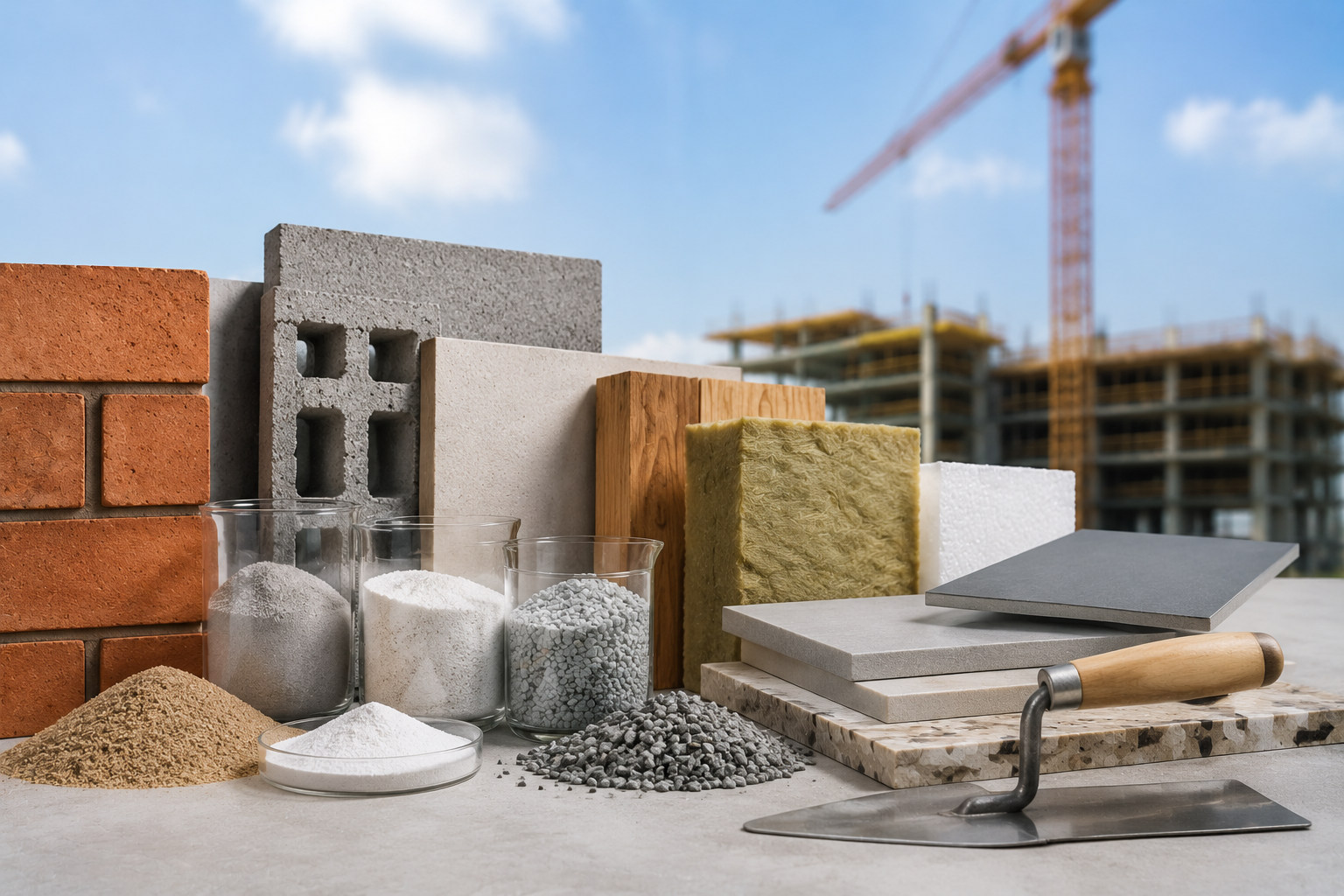
Building a structure that lasts requires the right materials. Many construction projects fail because builders choose materials without understanding their properties, leading to costly repairs or even complete rebuilding.
Architectural materials are substances used in construction that provide structural support, aesthetic appeal, or functional benefits.1 Common materials include concrete, wood, plastic, textiles, brick, bamboo, and organic materials, each selected based on availability, cost, durability, and environmental impact.2
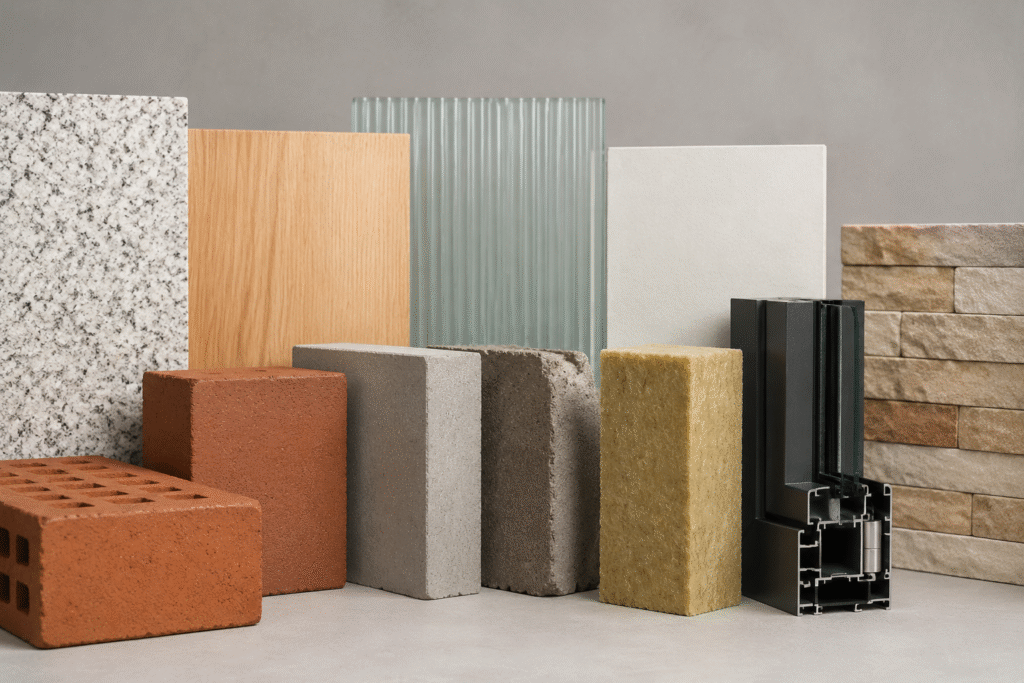
At Kehao, we've supplied key components for architectural materials to clients across Saudi Arabia, UAE, and many other countries. We understand how the right material choice can make or break a project. Let me share what I've learned about these essential building blocks and how they shape our world.
What Makes Concrete the Most Widely Used Building Material in the World?
Concrete's popularity is no accident. Many builders face structural failures or budget overruns when they don't understand its makeup and proper application methods, resulting in weakened structures.
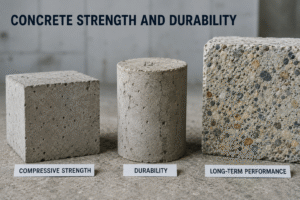
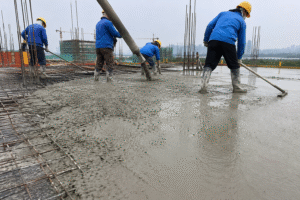
Concrete is a composite material made from cement, water, aggregates, and additives like our hydroxypropyl methylcellulose.3 It's widely used because of its compressive strength, durability, fire resistance, and ability to be molded into virtually any shape while remaining cost-effective.4
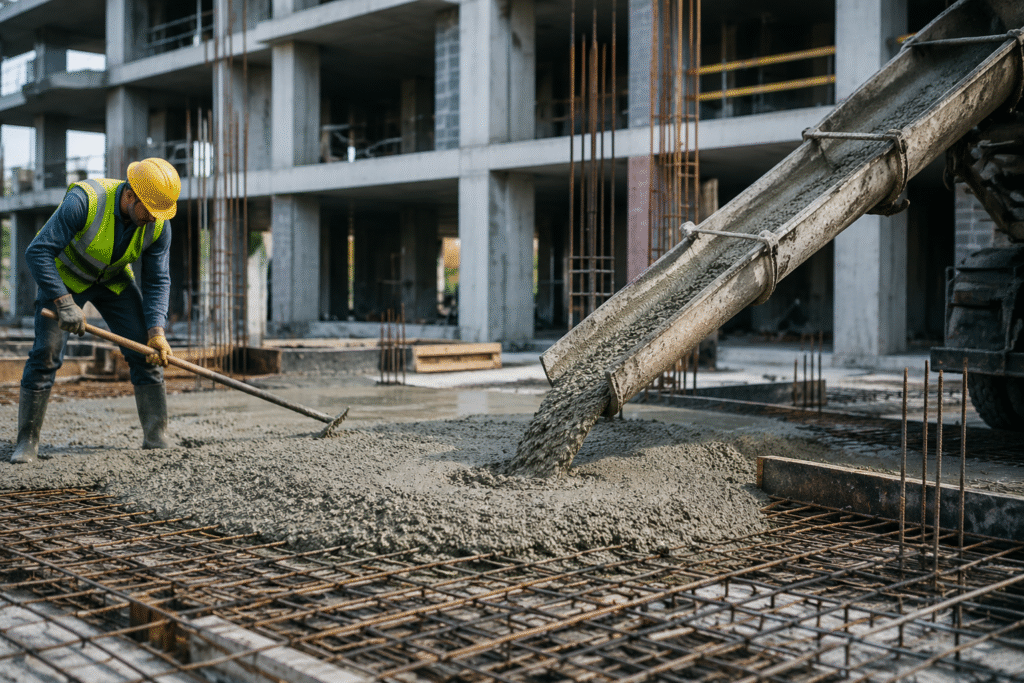
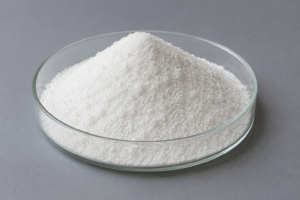
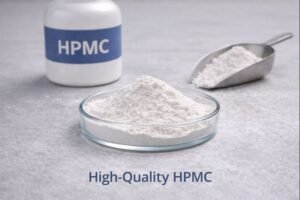
As a supplier of hydroxypropyl methylcellulose (HPMC), I've seen firsthand how this additive transforms concrete performance. HPMC improves workability, water retention, and adhesion properties of concrete mixtures. In high-rise buildings across Dubai, our HPMC has helped create concrete that withstands extreme desert conditions.
The versatility of concrete is impressive. It can be arranged in different compositions to achieve specific properties:
| Concrete Type | Main Components | Best Applications | Key Properties |
|---|---|---|---|
| Standard | Portland cement, water, sand, gravel | Foundations, slabs | High compression strength |
| High-Strength | Special cements, silica fume, superplasticizers | Skyscrapers, bridges | Exceptional load-bearing capacity |
| Lightweight | Expanded clay, perlite, air-entraining agents | Non-structural elements | Reduced weight, better insulation |
| Self-Healing | Bacteria, healing agents | Water structures | Automatically repairs cracks |
Our clients in Saudi Arabia often request our redispersible latex powder to enhance concrete flexibility and bonding strength. This is particularly important in areas with extreme temperature fluctuations where movement in the structure is expected.
How Has Wood Remained Relevant in Modern Architecture?
Despite advances in synthetic materials, wood often gets overlooked for large-scale projects. Builders frequently underestimate its strength-to-weight ratio and environmental benefits, missing opportunities for sustainable construction.
Wood is a natural, renewable material with excellent insulation properties, structural versatility, and aesthetic appeal. Modern engineering has elevated wood through products like cross-laminated timber (CLT), glulam beams, and engineered wood, making it suitable for even large-scale construction projects.5
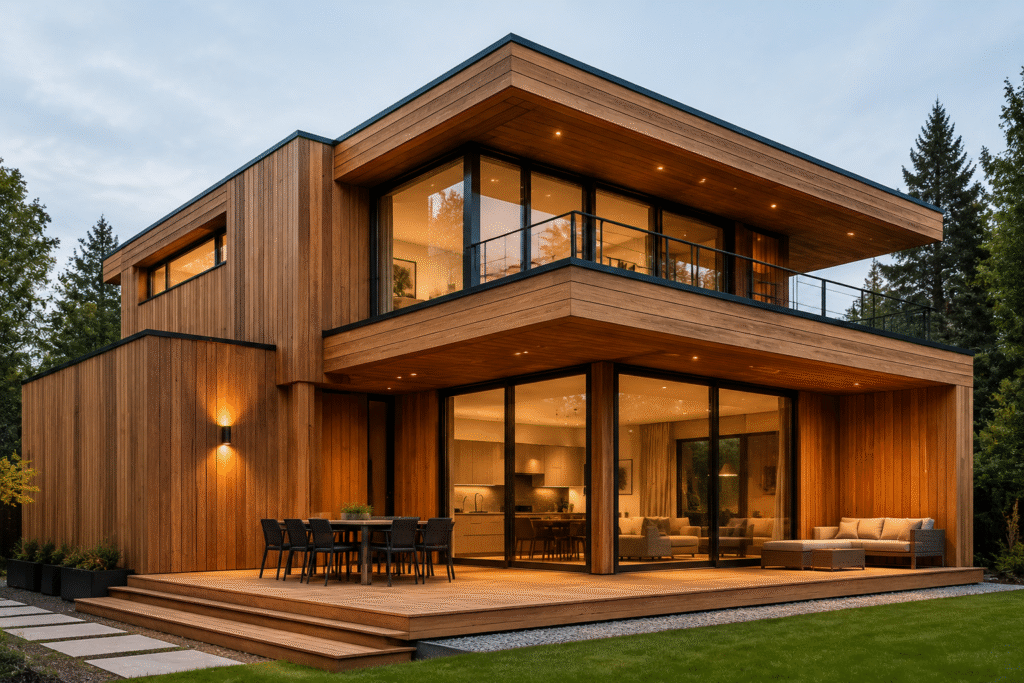
The evolution of wood in architecture fascinates me. During a recent visit to a client's bamboo processing facility in Vietnam, I observed how traditional materials are being reimagined for modern applications. Wood's natural characteristics make it uniquely suited for certain projects that synthetic materials simply can't match.
When we break down wood's architectural applications, we find it's more versatile than many realize:
Wood Types and Their Architectural Applications
| Wood Category | Examples | Architectural Uses | Key Benefits |
|---|---|---|---|
| Softwoods | Pine, Cedar, Spruce | Framing, outdoor structures | Cost-effective, workability |
| Hardwoods | Oak, Maple, Walnut | Flooring, furniture, visible elements | Durability, aesthetic appeal |
| Engineered Woods | Plywood, OSB, MDF | Sheathing, interior components | Dimensional stability, efficient use of resources |
| Mass Timber | CLT, Glulam, LVL | High-rise structures, large spans | Strength, fire resistance, carbon sequestration |
The hydroxypropyl cellulose we supply often goes into wood preservation treatments, extending the lifespan of wooden structures exposed to harsh environments. One of our Mexican clients uses our products in their wood coating line, allowing architects to specify wood in previously impractical applications.
Can Plastic Be Considered a Sustainable Architectural Material?
The environmental impact of plastic causes many architects to avoid it entirely. This categorical rejection ignores innovations in recycled and bioplastics that offer significant sustainability improvements over traditional construction materials.
Plastic in architecture includes PVC, polycarbonate, acrylic, and emerging bioplastics. When sourced responsibly—especially recycled or bio-based varieties—plastics offer durability, weather resistance, insulation, and design flexibility while potentially reducing overall environmental impact compared to more resource-intensive materials.
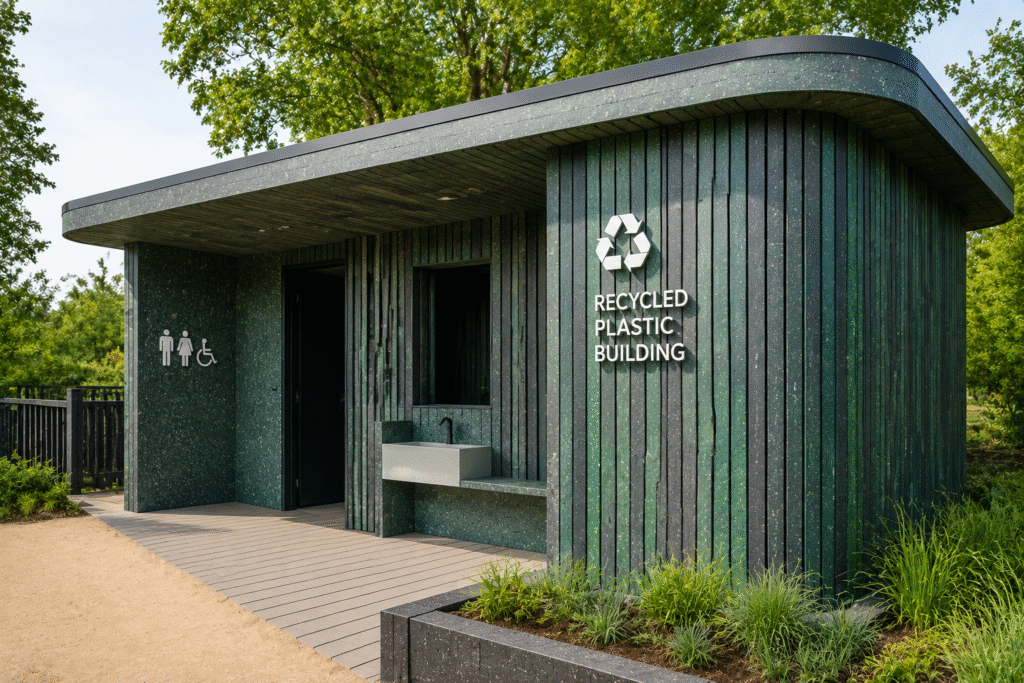
Working with carboxymethyl cellulose (CMC) has given me unique insight into plastic alternatives. Some of our most innovative clients in India are combining our CMC with recycled plastics to create composite building panels with remarkable properties. These panels maintain the beneficial aspects of plastic while addressing sustainability concerns.
The plastic landscape in architecture is more nuanced than many realize:
Modern Architectural Plastics
| Type | Source | Common Applications | Environmental Considerations |
|---|---|---|---|
| Recycled Plastics | Post-consumer waste | Cladding, insulation, furniture | Diverts waste, reduces virgin material demand |
| Bioplastics | Plant starches, cellulose | Interior elements, temporary structures | Renewable resources, potentially biodegradable |
| Composite Plastics | Mixed with natural fibers | Decking, siding, structural elements | Reduces plastic content, improves performance |
| Smart Plastics | Advanced polymers | Responsive facades, self-healing surfaces | Longevity can offset production impacts |
I recently visited a project in Singapore where they used our polypropylene fibers to reinforce recycled plastic panels. The resulting material had strength comparable to traditional options but with a 60% smaller carbon footprint. This kind of innovation is changing how we view plastics in sustainable architecture.
How Are Textiles Transforming Modern Architectural Spaces?
Textiles are often relegated to interior design rather than considered true architectural materials. This oversight limits the potential for lightweight, flexible, and acoustically superior building solutions that can transform spaces.
Architectural textiles include fabrics, meshes, and membranes used for tensile structures, acoustic treatments, shading systems, and building envelopes.6 Modern technical textiles offer benefits like lightweight strength, acoustic absorption, UV protection, water resistance, and visual permeability while creating dynamic, adaptable spaces.
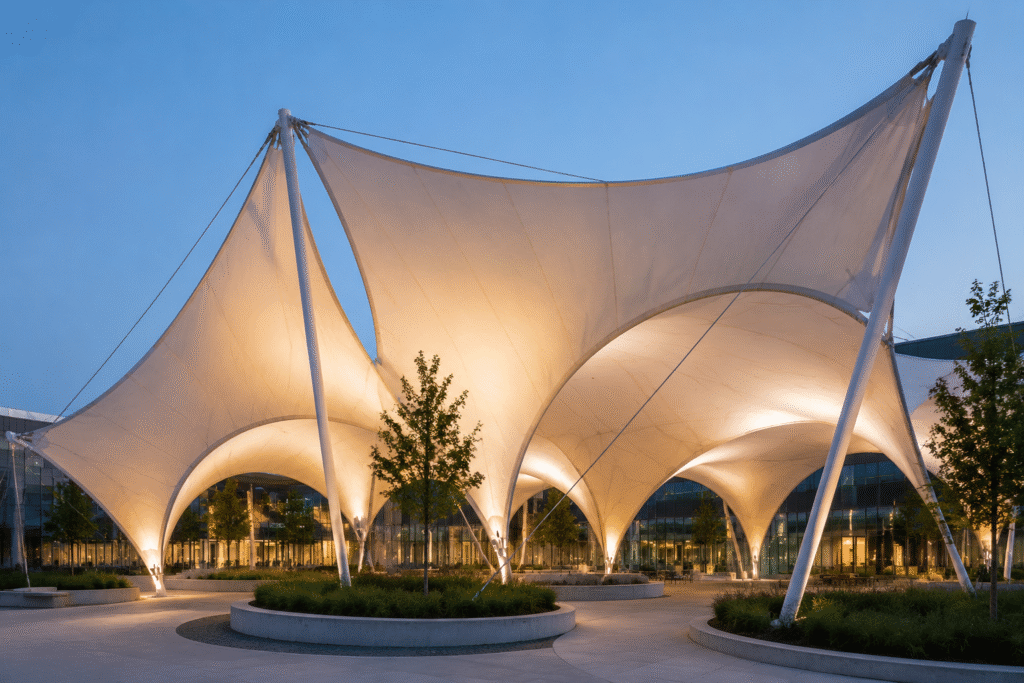
Our hydroxyethyl cellulose is frequently used in textile coatings to enhance water resistance and durability. One of our clients in Brazil uses these coated textiles for tensile structures that have revolutionized open-air market spaces. The lightweight nature of these structures allows for designs that would be impossible with traditional materials.
Textiles in architecture go far beyond simple fabric applications:
Architectural Textile Applications
| Textile System | Materials | Applications | Performance Benefits |
|---|---|---|---|
| Tensile Membranes | PTFE, ETFE, PVC | Roofing, canopies, facades | Lightweight, translucency, long spans |
| Technical Meshes | Metal, synthetic fibers | Sun shading, visual screens | Light control, ventilation, security |
| Acoustic Textiles | Polyester, wool, recycled fibers | Wall panels, ceiling treatments | Sound absorption, aesthetic options |
| Smart Textiles | Photovoltaic fabrics, phase-change materials | Energy-generating facades, climate control | Responsive performance, energy efficiency |
During an exhibition in UAE last year, I was impressed by how our client had used our cellulose products to create breathable textile building wraps. These materials allowed buildings to "breathe" while protecting construction sites from dust and debris—a perfect example of textile architecture solving specific regional challenges.
Why is Brick Still Relevant in Contemporary Architecture?
Many assume brick is outdated in our age of glass and steel. This perception ignores brick's remarkable thermal properties, durability, and aesthetic versatility that continue to make it relevant even in cutting-edge sustainable design.
Brick is a timeless building material made from fired clay that provides excellent thermal mass, durability, fire resistance, and minimal maintenance requirements. Modern brick applications include traditional load-bearing walls, veneers, screens, and pavers, with innovations in shape, color, and arrangement allowing for contemporary expressions.
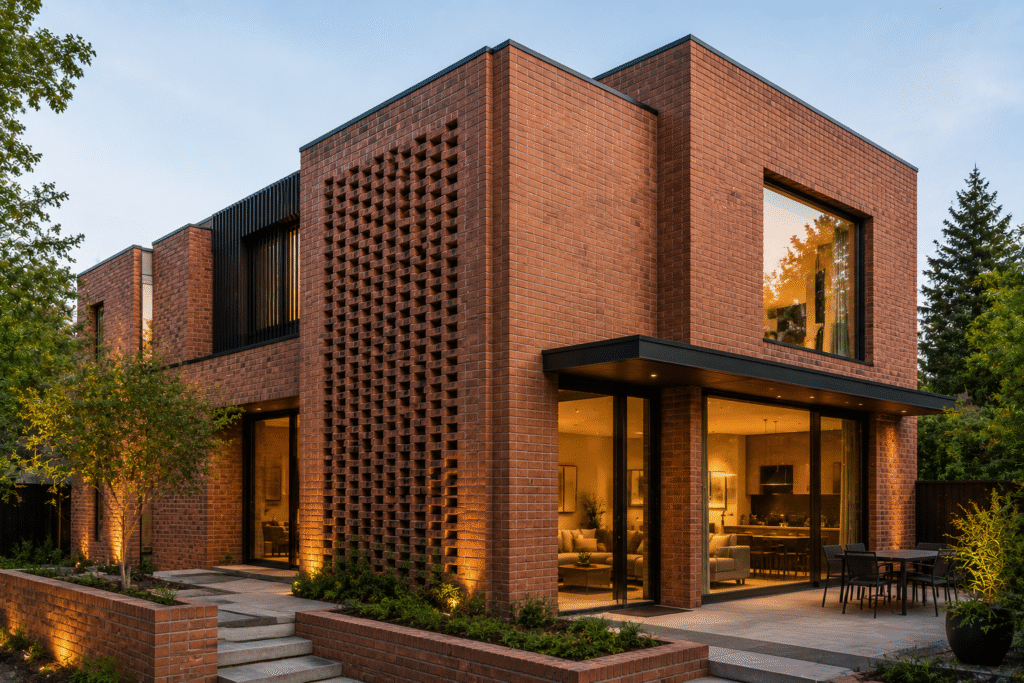
Having supplied methylcellulose for mortar admixtures for over 15 years, I've watched brick architecture evolve dramatically. Our hydroxypropyl methylcellulose improves workability and water retention in mortars, allowing for more precise brickwork and faster construction. A client in Pakistan recently used our HPMC to create mortars for an intricate brick façade that combines traditional patterns with modern engineering.
Brick's architectural applications have expanded far beyond simple walls:
Modern Brick Architecture Techniques
| Technique | Description | Design Benefits | Performance Advantages |
|---|---|---|---|
| Parametric Brick Facades | Computer-designed patterns with rotated bricks | Visual complexity, customization | Shadow play, ventilation potential |
| Brick Screens7 | Perforated brick walls | Filtered light, privacy, visual interest | Natural ventilation, solar shading |
| Thin Brick Veneers | Lightweight brick facing | Traditional aesthetic with reduced weight | Easier installation on existing structures |
| Reclaimed Brick | Salvaged from older buildings | Character, patina, historical connection | Lower embodied energy, unique appearance |
I've been particularly impressed with projects in Georgia where our clients have combined our cellulose products with locally-sourced clay to produce bricks with enhanced thermal properties. These bricks reduce energy consumption while maintaining the cultural connection to traditional building methods.
What Makes Bamboo an Exceptional Sustainable Building Material?
Bamboo is often dismissed as primitive or temporary in Western construction. This misconception overlooks its incredible strength-to-weight ratio and rapid renewability that make it one of our most sustainable structural options.
Bamboo is a fast-growing grass that provides exceptional tensile strength, flexibility, and sustainability credentials. As an architectural material, bamboo can be used structurally, as reinforcement, for interior finishes, and in composite materials, offering rapid renewability with harvest cycles of 3-5 years versus decades for timber8.
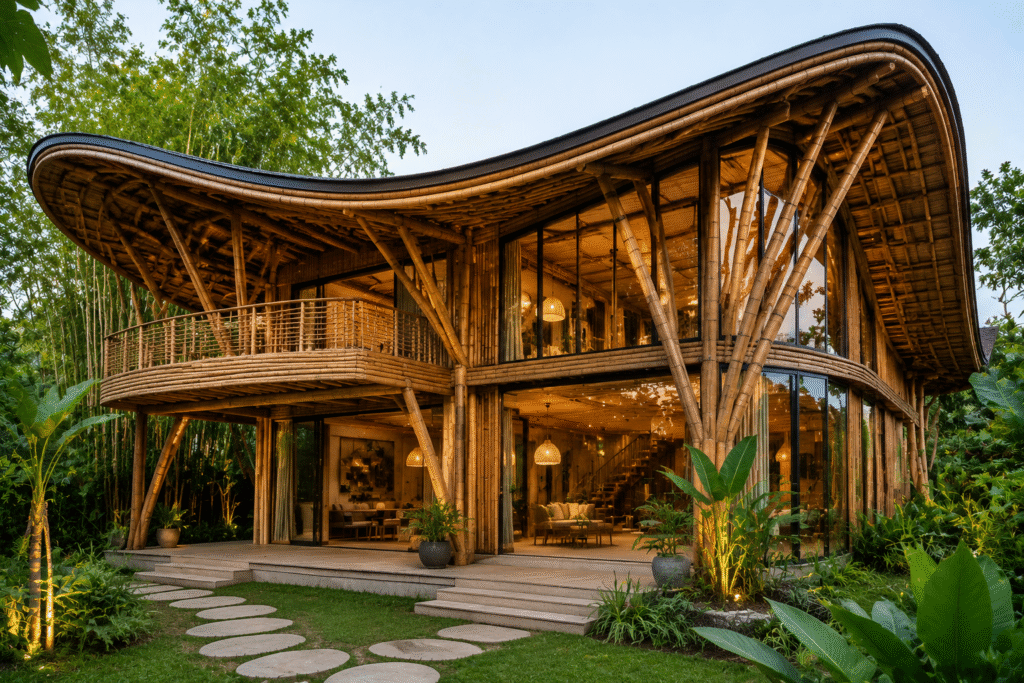
While visiting clients in the Philippines, I've seen remarkable bamboo structures that challenge conventional notions of what this material can achieve. Our carboxymethyl cellulose is sometimes used in bamboo preservation treatments, extending durability and opening new applications for this sustainable material. The resulting treated bamboo can last decades even in challenging tropical conditions.
Bamboo's architectural potential goes well beyond simple poles and scaffolding:
Modern Bamboo Construction Methods
| Method | Processing | Applications | Advantages |
|---|---|---|---|
| Structural Poles | Cured, treated whole culms | Columns, beams, trusses | Natural form, minimal processing |
| Engineered Bamboo | Laminated strips or strands | Flooring, panels, beams | Consistent properties, familiar formats |
| Bamboo Composites | Combined with resins or other fibers | Cladding, decking, furniture | Enhanced durability, modern appearance |
| Bamboo Reinforcement | As replacement for steel in concrete | Structural elements in concrete | Lower carbon footprint, local availability |
One of our Vietnamese clients has pioneered the use of our hydroxypropyl cellulose as a binding agent in engineered bamboo products. This innovation has allowed bamboo to enter markets previously dominated by hardwoods and synthetics, offering a truly sustainable alternative with comparable performance.
How Are Organic Materials Changing Architectural Design?
Traditional construction often overlooks organic materials, considering them unreliable or short-lived. This approach misses the opportunity to create buildings that respond to their environment and potentially regenerate rather than deplete resources.
Organic architectural materials include mycelium (fungal networks), agricultural waste composites, algae-based materials, and living elements like green roofs. These materials offer biodegradability, carbon sequestration, minimal processing requirements, and even self-healing or growing properties that traditional materials cannot match.
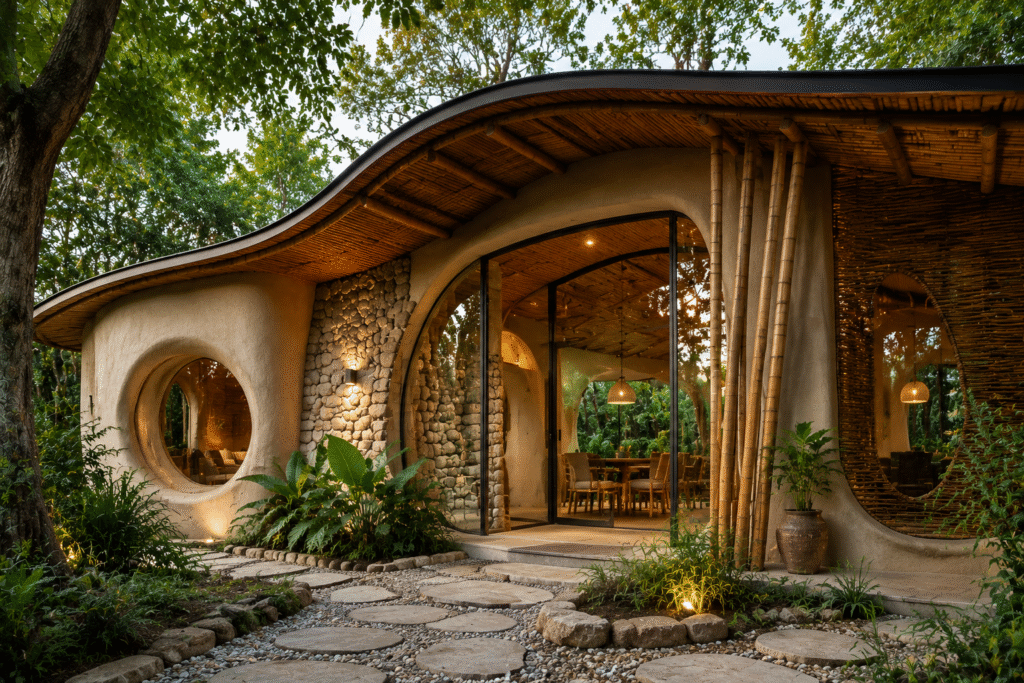
The frontier of organic materials is where some of our most exciting product applications emerge. Our hydroxyethyl methylcellulose serves as a critical binder in mycelium composites being developed by an innovative client in Mexico. These materials grow rather than being manufactured, representing a fundamental shift in how we might source building materials in the future.
The organic materials landscape is diverse and rapidly evolving:
Emerging Organic Architectural Materials
| Material | Composition | Current Applications | Future Potential |
|---|---|---|---|
| Mycelium Composites | Fungal growth bonded with agricultural waste | Insulation, packaging, acoustic panels | Structural elements, complete building systems |
| Agricultural Waste Panels | Rice husks, straw, coffee chaff bound with bio-resins | Non-structural panels, finishes | Structural components, prefab systems |
| Algae Systems | Living algae in transparent containment | Shading, energy generation, demonstration projects | Responsive building skins, carbon-negative materials |
| Bacterial Concrete | Concrete with embedded bacteria | Self-healing infrastructure | Adaptive structures, reduced maintenance |
I recently visited a research facility where our cellulose products are being used to create growth media for living building materials. The potential to grow rather than extract our building materials represents a fundamental shift in architecture's relationship with natural systems—one that might help us solve our most pressing environmental challenges.
Conclusion
Architectural materials have evolved far beyond the basic categories of wood, stone, and metal. Today's buildings incorporate everything from ancient materials like brick to cutting-edge innovations like self-healing concrete and mycelium composites. By understanding the properties and applications of these diverse materials, we can create structures that are not only beautiful and functional but also sustainable and resilient.
-
"Building material - Wikipedia", https://en.wikipedia.org/wiki/Building_material. Encyclopedic sources define architectural materials as substances used in construction for structural, aesthetic, or functional purposes. Evidence role: definition; source type: encyclopedia. Supports: Architectural materials are substances used in construction that provide structural support, aesthetic appeal, or functional benefits.. ↩
-
"List of building materials - Wikipedia", https://en.wikipedia.org/wiki/List_of_building_materials. Reference works and construction handbooks list concrete, wood, plastic, textiles, brick, bamboo, and organic materials as common architectural materials, with selection criteria including availability, cost, durability, and environmental impact. Evidence role: general_support; source type: encyclopedia. Supports: Common materials include concrete, wood, plastic, textiles, brick, bamboo, and organic materials, each selected based on availability, cost, durability, and environmental impact.. Scope note: Lists may vary slightly by region or source. ↩
-
"Concrete - Wikipedia", https://en.wikipedia.org/wiki/Concrete. Technical sources describe concrete as a composite material consisting of cement, water, aggregates, and sometimes additives to modify its properties. Evidence role: definition; source type: encyclopedia. Supports: Concrete is a composite material made from cement, water, aggregates, and additives like our hydroxypropyl methylcellulose.. Scope note: Specific additives may vary; hydroxypropyl methylcellulose is one example among many. ↩
-
"Concrete - Wikipedia", https://en.wikipedia.org/wiki/Concrete. Engineering references and construction textbooks attribute concrete's widespread use to its compressive strength, durability, fire resistance, moldability, and cost-effectiveness. Evidence role: mechanism; source type: education. Supports: It's widely used because of its compressive strength, durability, fire resistance, and ability to be molded into virtually any shape while remaining cost-effective.. Scope note: Relative importance of each property may vary by application. ↩
-
"Engineered wood - Wikipedia", https://en.wikipedia.org/wiki/Engineered_wood. Recent engineering literature and industry reports highlight the use of CLT, glulam, and engineered wood in large-scale construction, including multi-story buildings. Evidence role: historical_context; source type: research. Supports: Modern engineering has elevated wood through products like cross-laminated timber (CLT), glulam beams, and engineered wood, making it suitable for even large-scale construction projects.. Scope note: Adoption rates and building codes may differ by country. ↩
-
"ArchiTextile: A Review on Application of Textiles in Architecture", https://jtatm.textiles.ncsu.edu/index.php/JTATM/article/view/18819. Encyclopedic and technical sources define architectural textiles as fabrics, meshes, and membranes used in tensile structures, acoustic treatments, shading, and building envelopes. Evidence role: definition; source type: encyclopedia. Supports: Architectural textiles include fabrics, meshes, and membranes used for tensile structures, acoustic treatments, shading systems, and building envelopes.. ↩
-
"Jali - Wikipedia", https://en.wikipedia.org/wiki/Jali. Architectural guides describe brick screens as perforated walls that provide filtered light, privacy, and natural ventilation, with historical and modern examples worldwide. Evidence role: definition; source type: encyclopedia. Supports: Brick screens are perforated brick walls that offer filtered light, privacy, and natural ventilation.. Scope note: Design and performance vary by project and climate. ↩
-
"Bamboo - Wikipedia", https://en.wikipedia.org/wiki/Bamboo. Agricultural and forestry studies report that bamboo can be harvested in 3-5 years, while most timber species require several decades to mature. Evidence role: statistic; source type: education. Supports: Bamboo can be harvested in 3-5 years, compared to decades for timber.. Scope note: Harvest cycles depend on bamboo species and local conditions. ↩