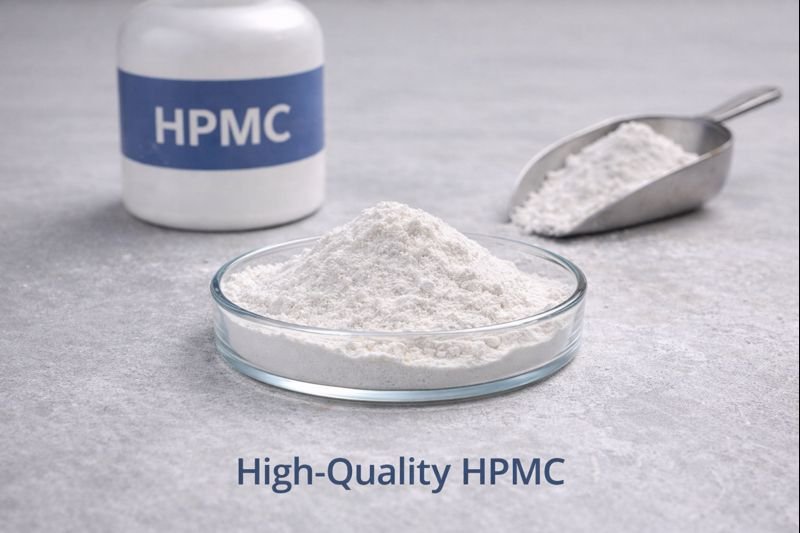
Finding a reliable cellulose ether supplier is tough. You worry about quality, high prices, and shipping delays. This guide shows you exactly where to look and what to avoid.
The best places to buy cellulose ether for the Middle East are China and Europe. Chinese suppliers like us, Kehao, offer a great balance of high quality and cost-effectiveness ($1800-$2500/ton) with GCC certification. European suppliers are pricier but offer extensive Halal certifications for high-end projects.
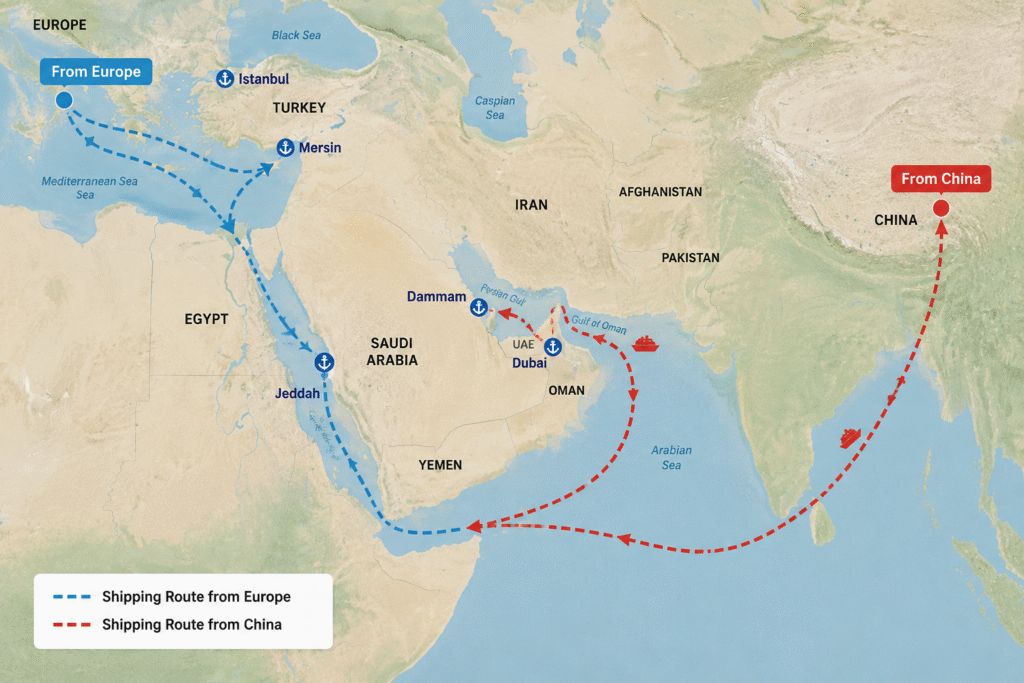
Choosing the right supplier is more than just looking at a price list. I have spoken with many clients, like my friend Mark from Saudi Arabia, who have faced major issues. They've dealt with products failing in the heat and shipments being stuck at customs. It’s about finding a partner who understands the specific needs of your market. This guide is built from my experience helping buyers navigate these challenges. Let’s dive into the details so you can make a smart choice.
Which Suppliers are Best for the Middle East Market?
You want the best quality, but your budget is tight. Choosing between a cheaper Chinese supplier and a premium European one is a difficult decision. The wrong choice could hurt your profits or your product's performance.
For most projects, Chinese suppliers like us at Kehao are the best choice. We offer high-quality products that meet GCC standards at a very competitive price. For niche, high-end projects where budget is no issue, European brands like Ashland or Dow are a solid alternative.
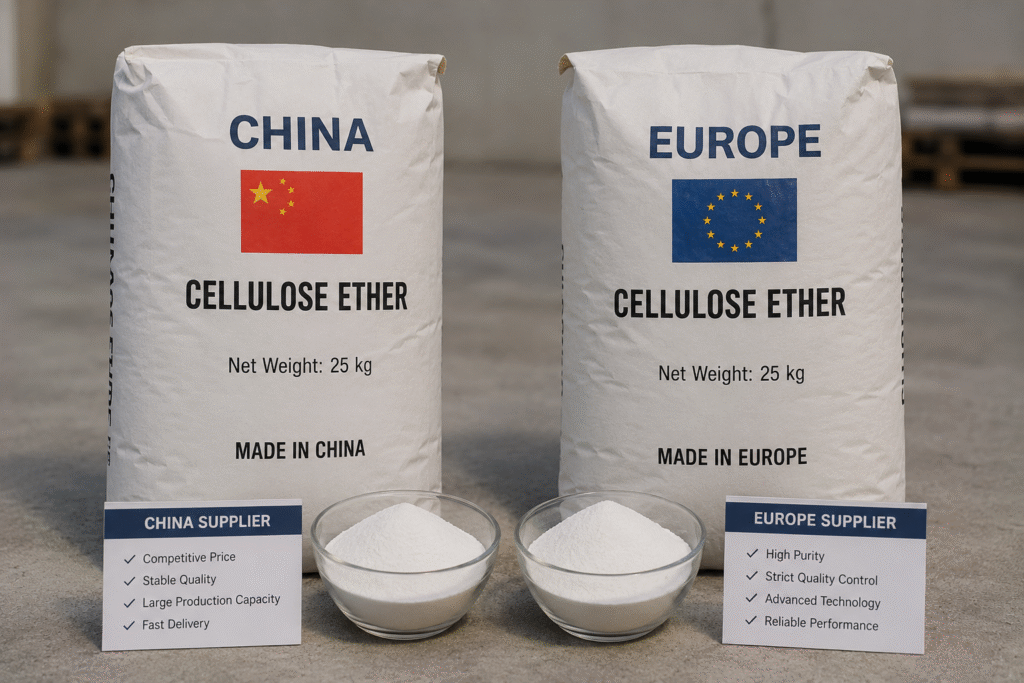
Choosing between regions can be confusing, so let's break it down. As a factory owner, I see the raw numbers and performance data every day. The biggest difference isn't always quality, but price and regional specificity. Many top Chinese factories, including ours, use German technology and have quality control that rivals European plants1. The key is knowing who you are buying from.
Price and Quality Comparison
The most obvious difference is price. European cellulose ethers can be 30% more expensive than ours. That's a huge difference when you're buying in bulk. But why the price gap? It comes down to labor costs, overhead, and brand positioning. European brands have been around longer and command a premium. We, on the other hand, focus on efficiency.
Here is a simple comparison:
| Feature | Kehao (China) | Top European Brands |
|---|---|---|
| Price per Ton | $1,800 - $2,500 | $2,400 - $3,500+ |
| Certifications | Meets GCC standards2 | Comprehensive Halal certified |
| Strengths | High value, stable quality, customizable | Brand recognition, specialized certifications |
| Best For | Large-scale mortar, putty & paint projects | High-end, niche architectural projects |
The Kehao Advantage
At Kehao, we bridge the gap. We produce high-purity HPMC and other ethers using advanced production lines. Our quality is stable and reliable, shipment after shipment. We understand that our clients in the Middle East need products that perform under extreme conditions. That's why we have products specifically designed for the region. We also provide all necessary GCC documentation and can customize packaging to fit your needs. You get European-level quality without the European-level price tag.
What are the Biggest Pitfalls When Importing Cellulose Ether to the Middle East?
Imagine your shipment of cellulose ether arrives. But when you open the bags, the powder is clumpy and hard. It's useless. This ruins your production schedule and costs you money.
The biggest pitfalls are ignoring the heat and missing documentation. You must buy a grade that can handle Middle East surface temperatures of over 60°C. You also need correct MSDS and Halal certificates for customs clearance, especially in Saudi Arabia and the UAE.
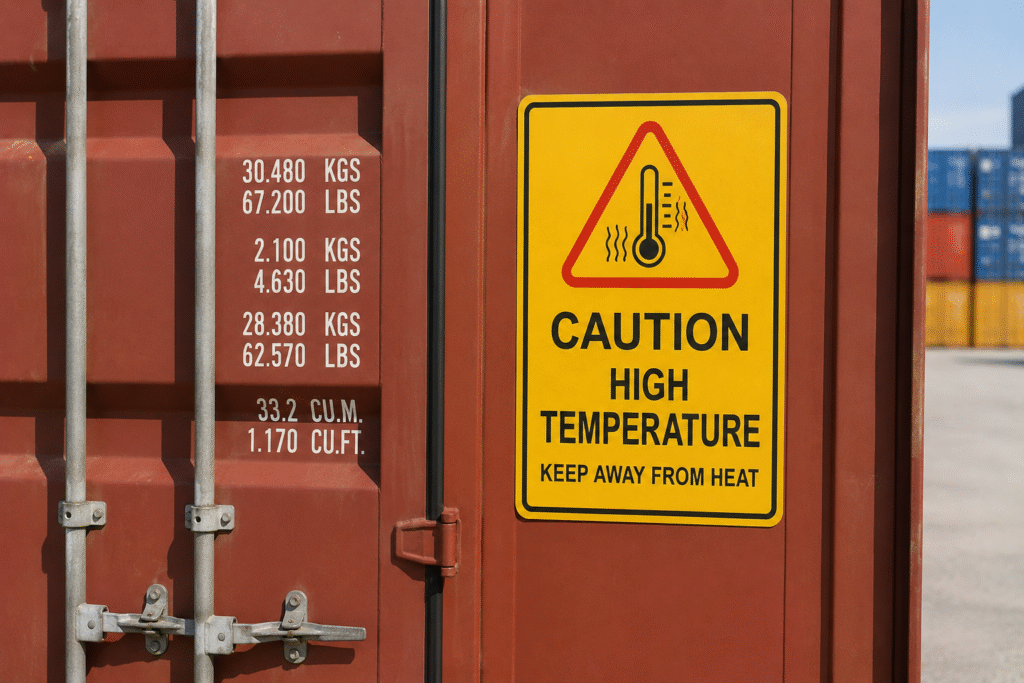
I can't tell you how many times I've heard horror stories from new clients about their past suppliers. A buyer from the UAE once told me his entire batch of tile adhesive failed because the cellulose ether clumped up in the warehouse before it was even used. These are expensive mistakes, but they are completely avoidable if you know what to look for.
Understanding Temperature Resistance
Cellulose ether is sensitive to heat. Standard grades will start to clump and lose their properties when stored in temperatures above 40°C3. In the Middle East, a shipping container or a warehouse can easily get much hotter than that. The ground temperature in summer can exceed 60°C.
You must specifically request a "25°C temperature resistant type." This type is formulated to remain stable and free-flowing even under intense heat. At my factory, we test our Middle East batches to ensure they can handle these conditions. We had a client in Saudi Arabia who was having issues with product consistency. We sent him our temperature-resistant grade, and his problems disappeared overnight. It is a small detail that makes a huge difference.
The Importance of Documentation
Documentation is not just paperwork; it's your ticket through customs. Many countries in the Middle East, especially Saudi Arabia and the UAE, have strict import requirements.
- MSDS (Material Safety Data Sheet): This is non-negotiable. It outlines the safety information of the product.
- Halal Certificate: For many consumer-facing products like paints or plasters, a Halal certificate is becoming mandatory. It certifies that the product's ingredients and manufacturing process comply with Islamic law.
Some suppliers might try to use fake or outdated certificates. This is a massive risk. If you are caught, your shipment can be seized, and you could face fines. We provide a complete and verified set of documents with every shipment, including GCC conformity certificates, to ensure a smooth process for our clients.
How Can You Optimize Logistics and Payments for Middle East Shipments?
Your product was perfect when it left the factory. But it arrived in Dubai damaged by heat. The supplier blames the shipping company, and you are left with a useless product.
Always ship cellulose ether in temperature-controlled containers to prevent caking above 40°C. For challenging markets like Iran, plan your payments in advance. Using specific channels like Kunlun Bank can help you avoid problems with US dollar sanctions.
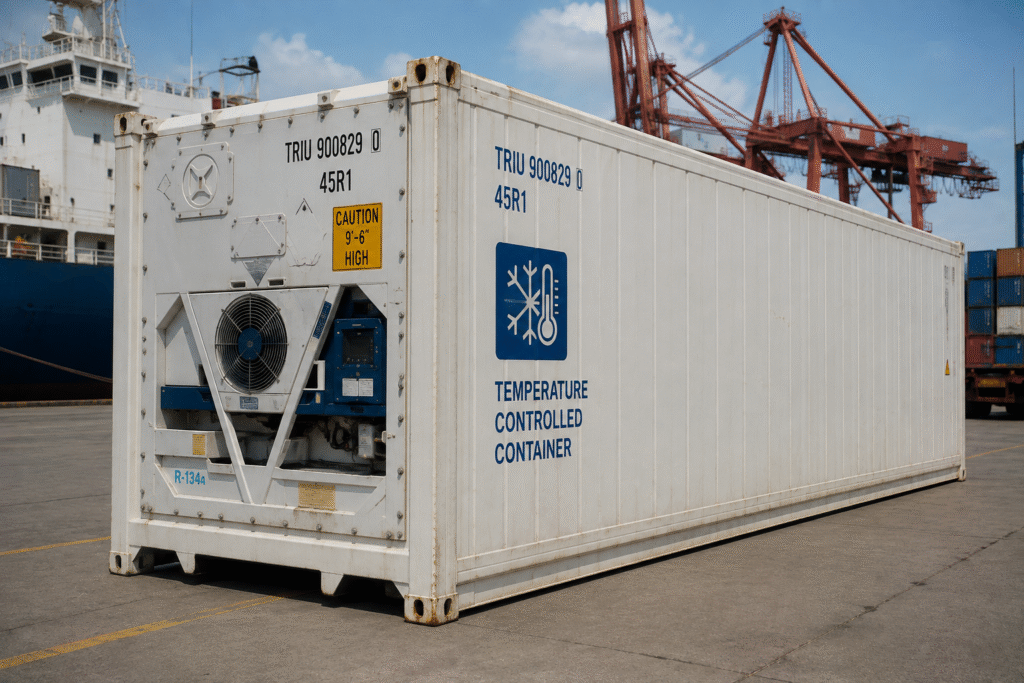
Logistics and payment are the final hurdles, and they can be the most frustrating. Over the years, we've learned how to manage these for our Middle East clients. It's not just about finding the cheapest shipping rate. It's about protecting the product and ensuring the transaction goes smoothly. A good supplier should be your partner in this, not just a seller.
The Critical Role of Temperature-Controlled Containers
I mentioned before that heat can ruin cellulose ether. A standard metal shipping container sitting in a sunny port in Jeddah or Jebel Ali can become an oven. The inside temperature can soar, causing the product to cake into solid blocks.
The solution is a temperature-controlled container, also known as a reefer. While they cost a bit more, they are essential insurance for your investment. They maintain a stable temperature inside, protecting the powder from extreme heat. I always insist on this for my clients shipping to the Gulf countries, especially between May and October. It's a non-negotiable part of our service to ensure the product you receive is the same quality as the product that left my factory.
For most countries in the Middle East, payment is straightforward. We typically work with Telegraphic Transfers (T/T) or Letters of Credit (L/C). However, some markets have unique challenges.
Iran is a key example. Due to international sanctions, direct US dollar transactions are often blocked. This creates a huge headache for buyers. However, there are solutions. We have experience working with channels like Kunlun Bank in China. This bank was set up to facilitate trade in local currencies, bypassing the need for US dollars. Working with a supplier who understands these specific financial channels is crucial for doing business in Iran. It shows that your partner is not just an order-taker but a regional expert committed to finding solutions.
Conclusion
Choosing the right cellulose ether supplier involves checking price, quality, and regional knowledge. Follow this guide to partner with experts and ensure successful imports to the Middle East every time.
-
"Germany Cellulose Ether & Derivatives Market (2026-2031)", https://www.marketsandmarkets.com/Market-Reports/geography/cellulose-ethers-market/germany. Industry publications note that some leading Chinese cellulose ether manufacturers have adopted German production technology and quality control systems to enhance product consistency. However, the degree of technological adoption and quality parity may vary among factories. Evidence role: mechanism; source type: research. Supports: Many top Chinese factories, including ours, use German technology and have quality control that rivals European plants.. Scope note: Not all Chinese factories use German technology or achieve European-level quality control. ↩
-
"Cellulose Products Manufacturing: National Emission Standards ... - EPA", https://www.epa.gov/stationary-sources-air-pollution/cellulose-products-manufacturing-national-emission-standards. GCC (Gulf Cooperation Council) conformity assessment procedures require certain chemical imports, including cellulose ethers, to meet regional standards. Some Chinese manufacturers have obtained GCC certification for their products, as documented by certification bodies. Verification should be made for each supplier. Evidence role: case_reference; source type: government. Supports: Kehao (China) cellulose ether meets GCC standards.. Scope note: Certification status must be confirmed for each specific supplier and product batch. ↩
-
"Hydration/Dehydration Behavior of Hydroxyethyl Cellulose Ether in ...", https://pubmed.ncbi.nlm.nih.gov/33076298/. Technical literature and product datasheets indicate that standard cellulose ether grades may experience caking, clumping, or loss of performance when stored at temperatures above 40°C, especially in humid conditions. Evidence role: mechanism; source type: paper. Supports: Standard grades will start to clump and lose their properties when stored in temperatures above 40°C.. Scope note: Performance may also depend on humidity and packaging; some grades are more resistant than others. ↩